NGHE AN - Seeing a motorbike pass by carrying a wet, purple boy, Dr. Hau immediately drove after him to assist in performing heart compression and respiration, saving the child from death.
On the morning of July 19, Dr. Phan Nhan Hau, Head of the Department of Anesthesia and Resuscitation, Thanh Chuong General Hospital, was riding a motorbike with his wife through Ngoc Lam commune, Thanh Chuong district, when he suddenly saw the motorbike speeding away like the wind. In the car, a man was carrying a panicked woman holding a baby lying on her stomach with her arms hanging down.
"Maybe he had a foreign object in his airway, drowned, had a cardiac arrest or another emergency" Dr. Hau recalled guessing at that time. He immediately accelerated and tried to chase, because "a second at that time was more precious than gold".
The motorbike stopped at the commune health station. Right behind, Doctor Hau also stopped, hurriedly rolled up his sleeves and went straight to the emergency room. At this time, the baby's heart stopped, he stopped breathing due to drowning, he no longer had life reflexes, his pupils were dilated and a lot of fluid and food flowed through his mouth and nose.
The doctor immediately used his mouth to suck out all the phlegm, fluid, water... for the baby to open the baby's airway. He continuously did chest compressions, breaths, breaths, and injections, "but didn't dare to expect much." Luckily, after 30 minutes of continuous artificial respiration, the baby had a better heart rate, breathing rate, and signs.
"The moment I heard the baby's heartbeat return, I suddenly shed tears and had goosebumps on my hands because of extreme joy and happiness," the doctor said.
Doctor Hau called Thanh Chuong District General Hospital, asked to prepare emergency treatment and then transfer the baby. At the district hospital, the child was intubated, ventilated and transferred to Nghe An Obstetrics and Children's Hospital.
The two-year-old boy is being actively resuscitated, on a ventilator and treated for hypothermia. The doctors and nurses are trying to save the baby's life.
Doctor Hau, Head of Department of Surgery - Anesthesia and Resuscitation, Thanh Chuong General Hospital. Photo: Provided by the character
Doctors say initial first aid for drowning children is very important because the cause of death is brain damage due to lack of oxygen. The brain's maximum tolerance time for lack of oxygen is about 4-5 minutes. If this limit is exceeded, the brain will be irreversibly damaged, causing death or neurological damage. Therefore, when you see a drowning child who is not conscious, not breathing, or whose heart has stopped, it is necessary to give rescue breaths and chest compressions immediately.
Absolutely do not tilt the child upside down on your shoulder, as this will cause stomach fluids to reflux and enter the airway, wasting "golden" time to rescue the child. When providing first aid, do not stop cardiopulmonary resuscitation if the child does not have a breathing rhythm.
When a child drowns, the first step in first aid is to get the child out of the water, then assess the victim's condition to see if he has stopped breathing or has a heart attack. If so, it is necessary to quickly revive cardiopulmonary resuscitation, and at the same time notify people around to call 911. The location of chest compressions is on the sternum, at the level connecting the two nipples. Press down on your chest about 1/3 - 1/2 deep. Compression speed is 100 times/minute.
If you are alone, perform 30 compressions, then give two rescue breaths. If there are two rescuers, perform 15 compressions, then give two rescue breaths. Every two minutes, re-evaluate whether the child is breathing again and has a pulse. After the child's heart rate and breathing return, they should be quickly taken to a medical facility for treatment.
Parents when taking their children on vacation to places with swimming pools, seas, lakes, ponds, and rivers, need to pay attention and closely observe their children while swimming to avoid unfortunate situations.
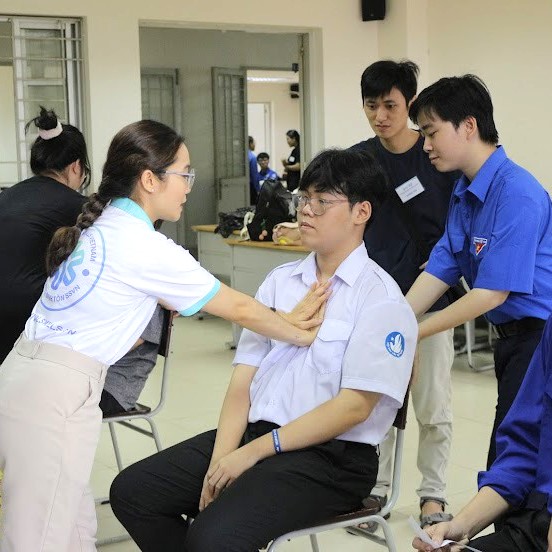
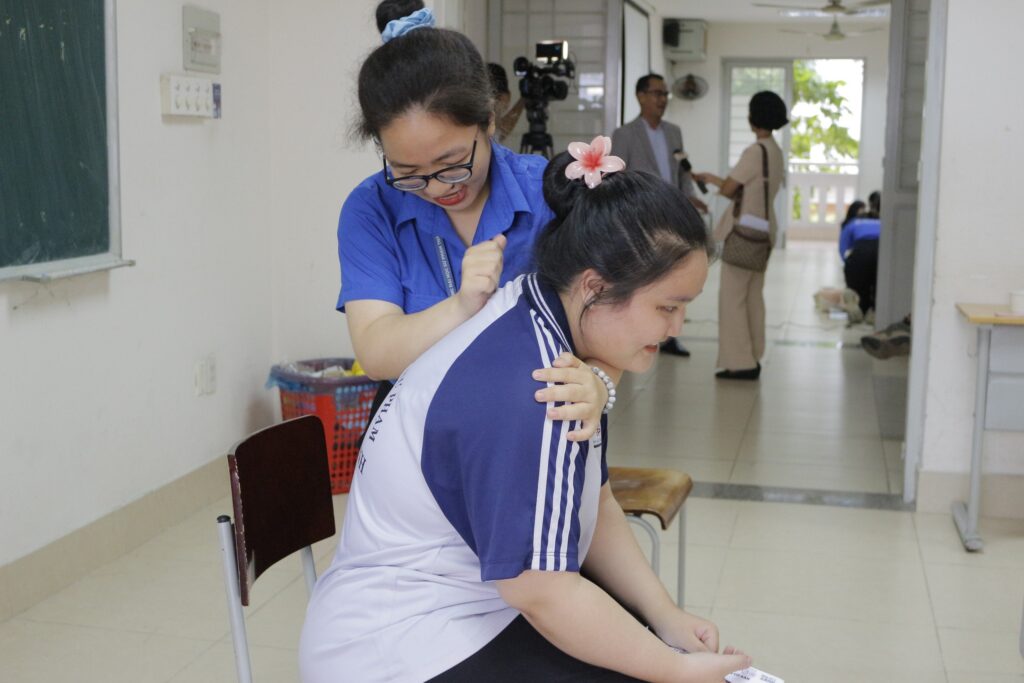
Recently SSVN (Survival Skills Vietnam) had a training session to equip 1,500 students with first aid knowledge and skills participating in the Green Summer (MHX) campaign City University of Pedagogy. HCMC.
Overview of the training session of the SSVN team at Ho Chi Minh City University of Pedagogy with the participation of students and school administrators
The MHX campaign is a very meaningful activity and has many benefits for you to develop yourself, create conditions, and an environment for youth union members to demonstrate the responsibility of youth in the cause of construction and protection.
However, there are also many risks of injury and accident, such as leaving your familiar environment, your health is not guaranteed, the campaign area does not have health care conditions, and emergency treatment is still difficult. In the past, there have been cases where MHX soldiers encountered accidents while carrying out operations. For example, there are cases where 3 people are swept away by floods at the same time, etc.
As the training unit for the training session, SSVN is proud to receive the enthusiastic welcome and coordination of the soldiers. Besides cultivating their own skills, SSVN wants soldiers to be able to:
Protect your own safety, such as identifying and preventing risks of accidents and injuries, helping your teammates as well as the local community become safer.
When an incident occurs, you can effectively coordinate and support the victim to reduce injuries and improve the likelihood of survival while waiting for the ambulance to arrive. At the same time, ensure the safety of the support person, avoid the situation where you save others and you are also the victim.
Become a bridge to spread first aid knowledge to the surrounding community. Thereby, contributing to raising awareness of prevention and initial handling of accidents and injuries, contributing to building a safe and healthy community.
Green Summer soldiers of Ho Chi Minh City Pedagogical University. Ho Chi Minh City is practicing first aid movements
This program is extremely important for pedagogical students. In many developed countries, teaching students basic first aid skills has become an indispensable part of the educational program from elementary school level. This has been shown to significantly contribute to improving the victim’s survival rate in the first minutes, before medical personnel can arrive. Timely support from people around is the vital factor.
As future teachers, pedagogical students need to master this first aid knowledge and skills. This not only helps you protect yourself and those around you, but also creates a foundation for you to convey this valuable knowledge to students, contributing to improving their awareness and coping ability. community in emergency situations.
Please watch the video below about details of the First Aid Skills training session for students at Ho Chi Minh City University of Pedagogy. HCM:
SSVN would like to send our sincere gratitude to everyone who has been accompanying SSVN on this journey. Your support and enthusiastic participation are an invaluable source of motivation, helping SSVN continuously develop and bring practical values to the community.
———————–
Survival Skills Vietnam – SSVN’s dream “Every Vietnamese family has at least one person who knows proper first aid to reduce the rate of preventable casualties in Vietnam!”
Contact us:
Address: Vo Thi Sau, Vo Thi Sau Ward, District 3, City. Ho Chi Minh
“Dry drowning” refers to complications that can arise after a person drinks water through the nose and/or mouth but does not enter the lungs, causing spasms that block the airways. Dry drowning often occurs immediately after exiting the water because the water touches the upper respiratory tract and causes spasm of the epiglottis leading to cardiac arrest. Research has shown that “dry drowning” has been observed during autopsies in 10% to 15% of drowning caeses in the United States.
“Secondary drowning” occurs when small amounts of water enter the lungs, leading to inflammation or swelling. The body has difficulty exchanging air properly through the lungs, which can lead to a buildup of carbon dioxide (CO2) and dangerously low levels of oxygen (O2). In the case of secondary drowning, it can take up to 24 hours before the person shows signs of distress.
Drowning on land is rare but can still occur if the following symptoms are not promptly recognized:
Shallow or labored breathing: Rapid, shallow breathing, flaring nostrils, or visible space between your child’s ribs or space above the collarbone when he breathes means your child is trying harder than usual to breathe. If you notice these symptoms, you should seek medical help immediately.
Cough: A persistent cough – or a cough that involves increased breathing – should be evaluated.
Vomiting: Kathleen Berchelmann, MD, a pediatrician at St. Louis and Washington, explains: “Vomiting is a sign of stress on the body caused by inflammation and sometimes lack of oxygen, as well as by persistent coughing and vomiting.”
Excessive fatigue or sleepiness: Did your child just have fun playing in the pool and now they appear tired? That could mean they’re not getting enough oxygen into their blood. Do not put your child to sleep until medical staff give you permission. A day of water fun can be fun for the kids, but it’s best to exercise extreme caution if any type of water rescue is involved.
Behavioral changes: If your child is acting more forgetful or not acting like themselves, it may indicate there has been a change in their oxygen status. Likewise, reduced oxygen levels can make your child feel tired or dizzy.
To avoid the risk of drowning, the first rule is to always keep safe
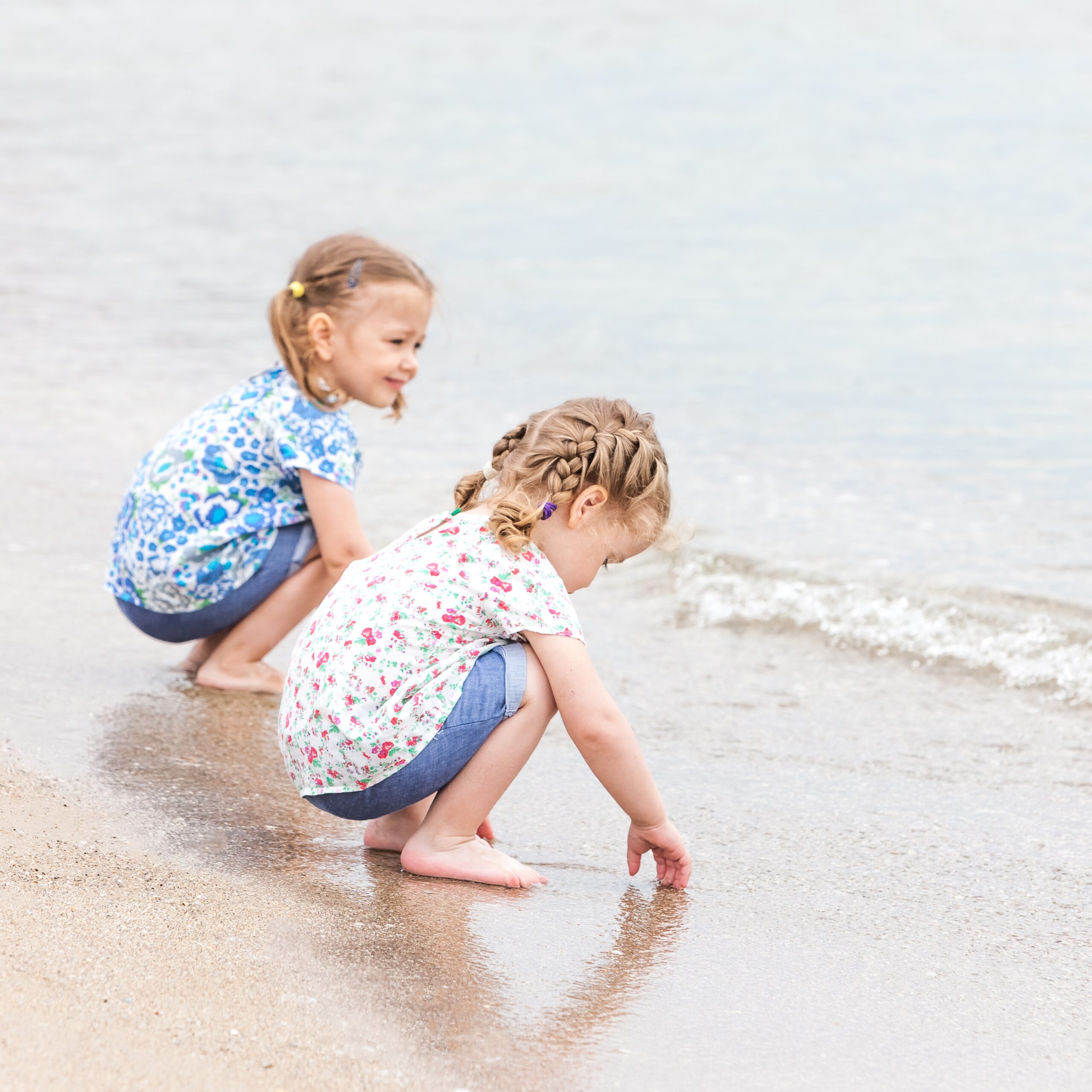
For young children, adult supervision is always required when playing near water.
In addition, learning how to swim and knowing how to handle dangerous situations near water is also very important.
Eliminate the risk of drowning: Household water containers such as wells and jars must have lids and be carefully covered; The swimming pool must be securely and securely latched.
Drowning prevention to learn how to prevent drowning victims from drowning, bring victims to shore safely and perform first aid properly.
Do not let young children play in water because there is a very high risk of drowning if they are not constantly supervised and supervised by an adult.
Comply with safety measures when participating in water transportation and when swimming.
If you or someone else suspects a drowning situation on land or after bathing, swimming or choking on water, if you have the above symptoms, you should immediately go to the nearest medical facility for timely examination and intervention. Remember that one minute of delay can have serious consequences.
Let’s spread knowledge about the risk of drowning together, so that every time we come into contact with water, we can participate in the safest and most fun way.
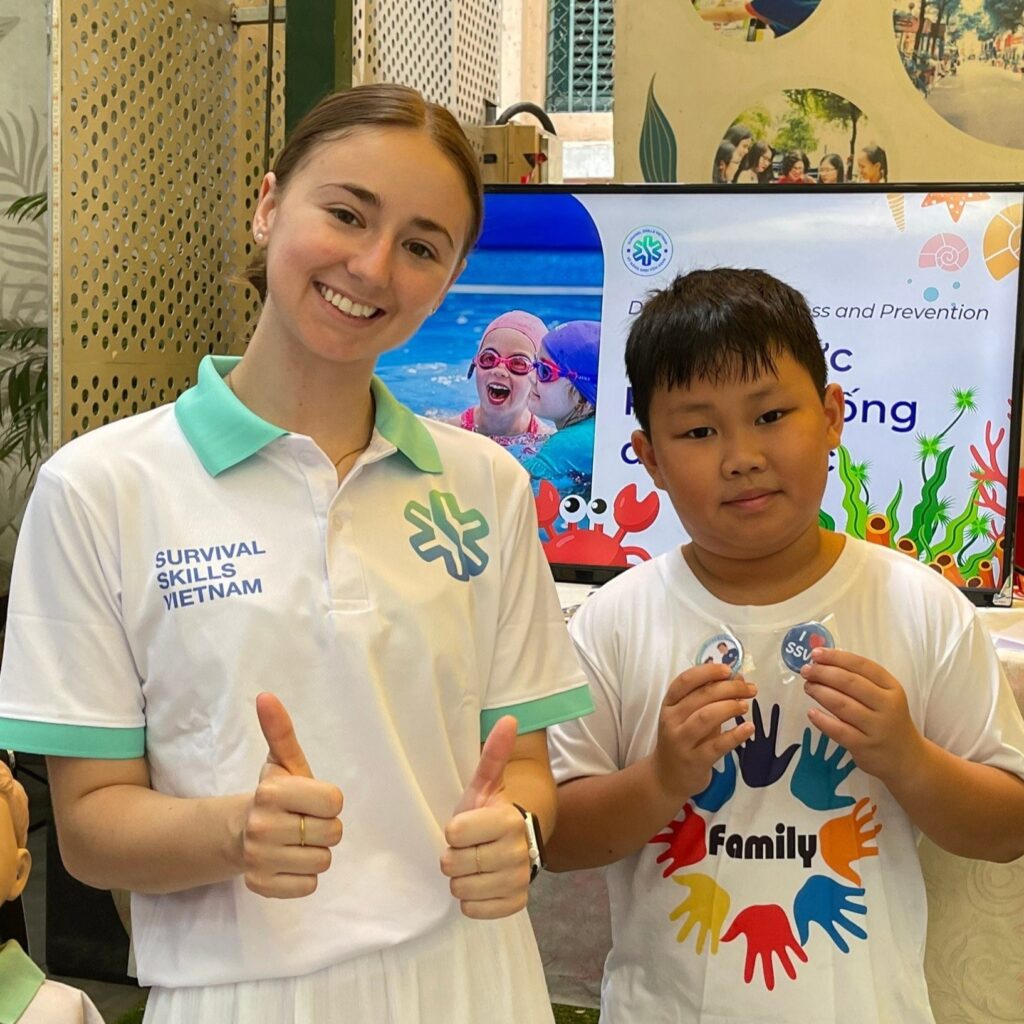
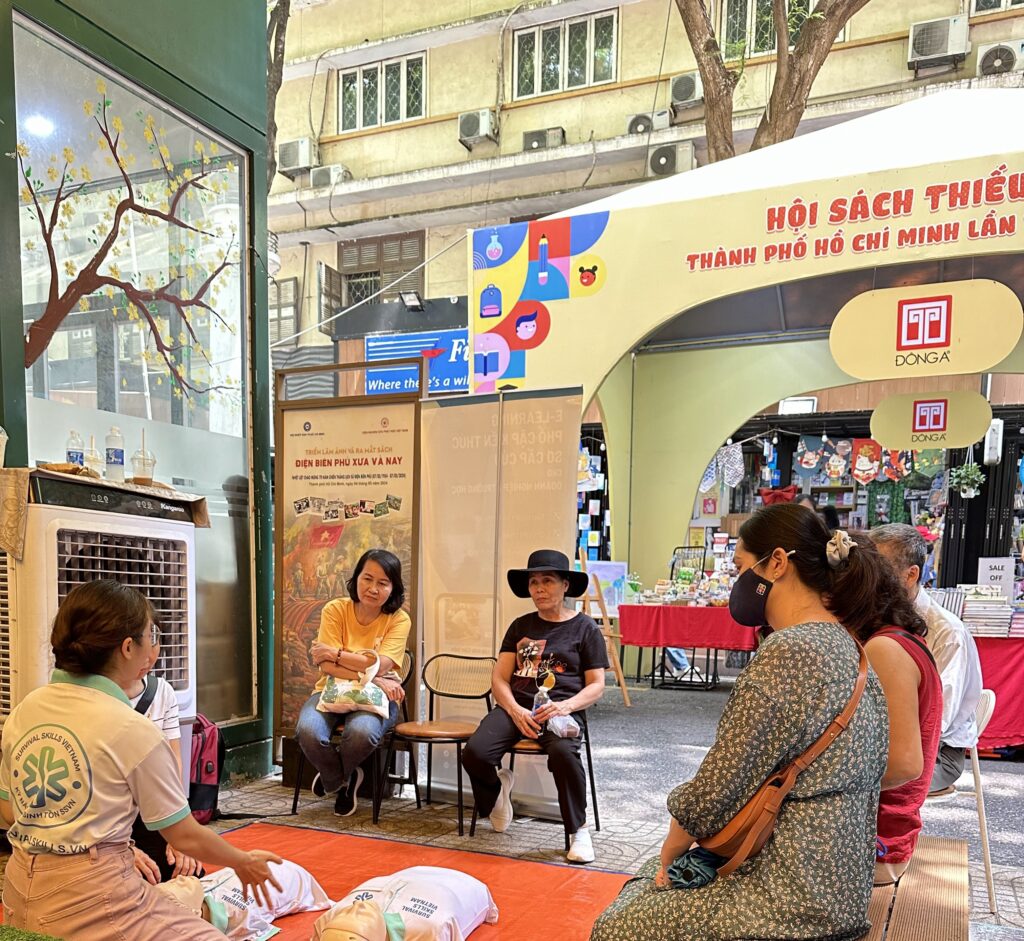
With the theme “Drowning prevention”. The program attracted a large number of participation from children and parents, bringing hours of useful fun and practical knowledge. During two days, June 2 and June 8, SSVN organized exciting interactive activities at Stage B – Nguyen Van Binh Book Street.
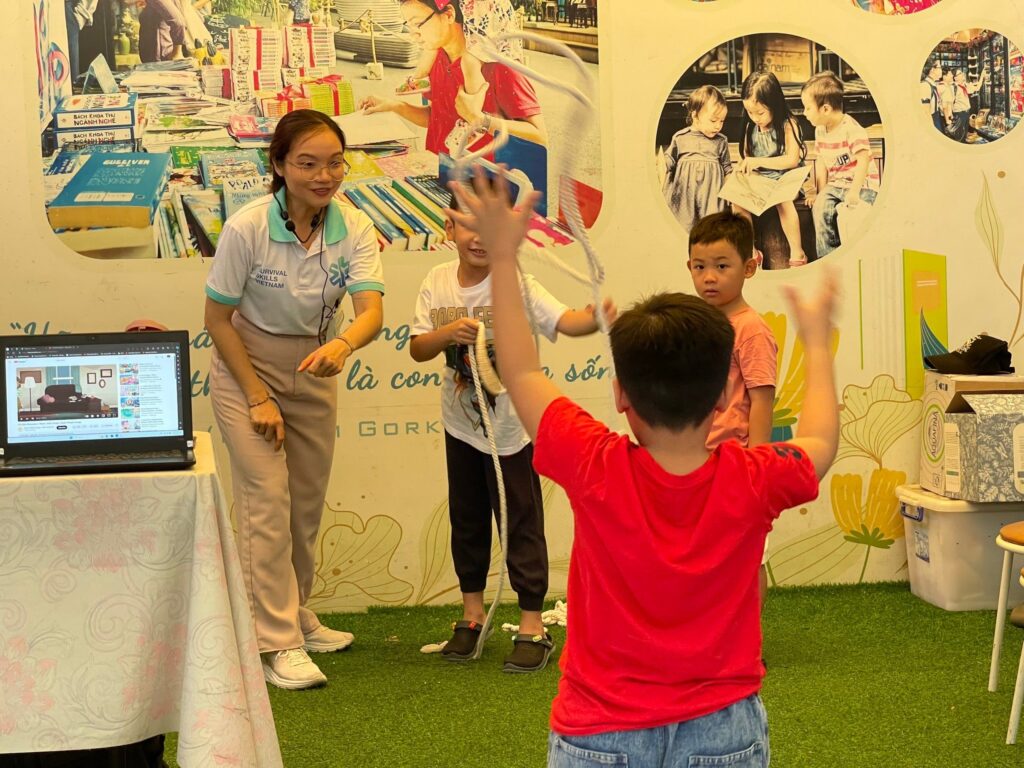
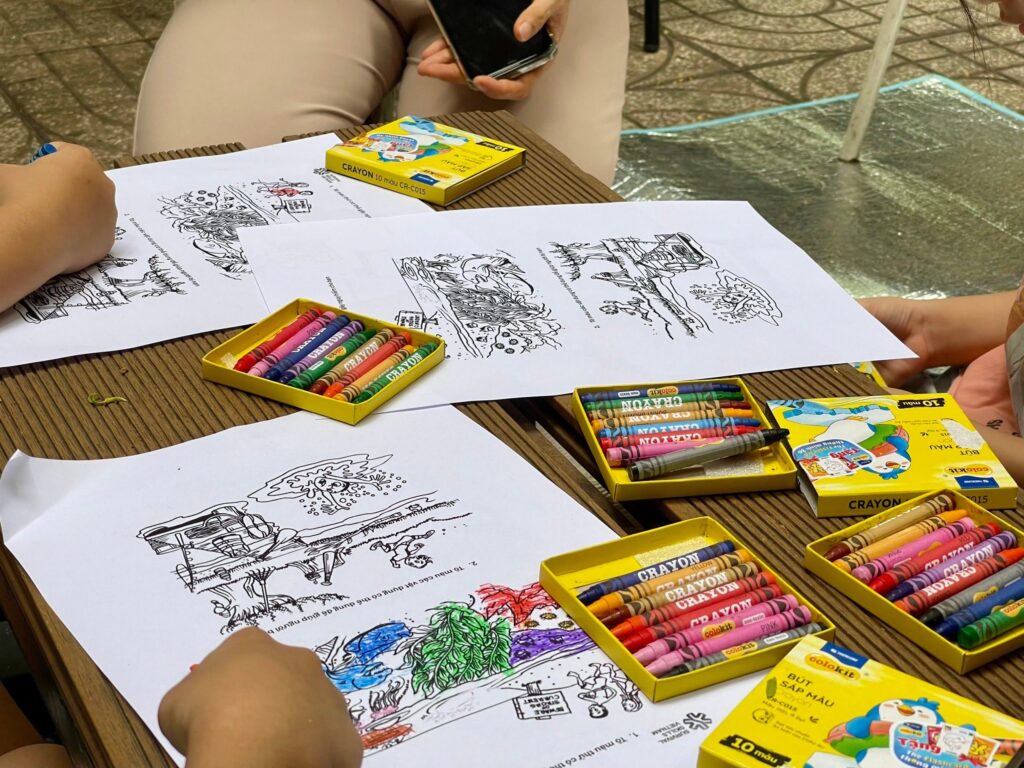
The children enthusiastically participated in games such as coloring to identify dangerous objects, distinguishing life-saving tools, practicing throwing ropes to save drowning people to safety…
The children are excitedly participating in first aid games such as: coloring to identify dangerous objects, practicing throwing ropes to save drowning people to safety…
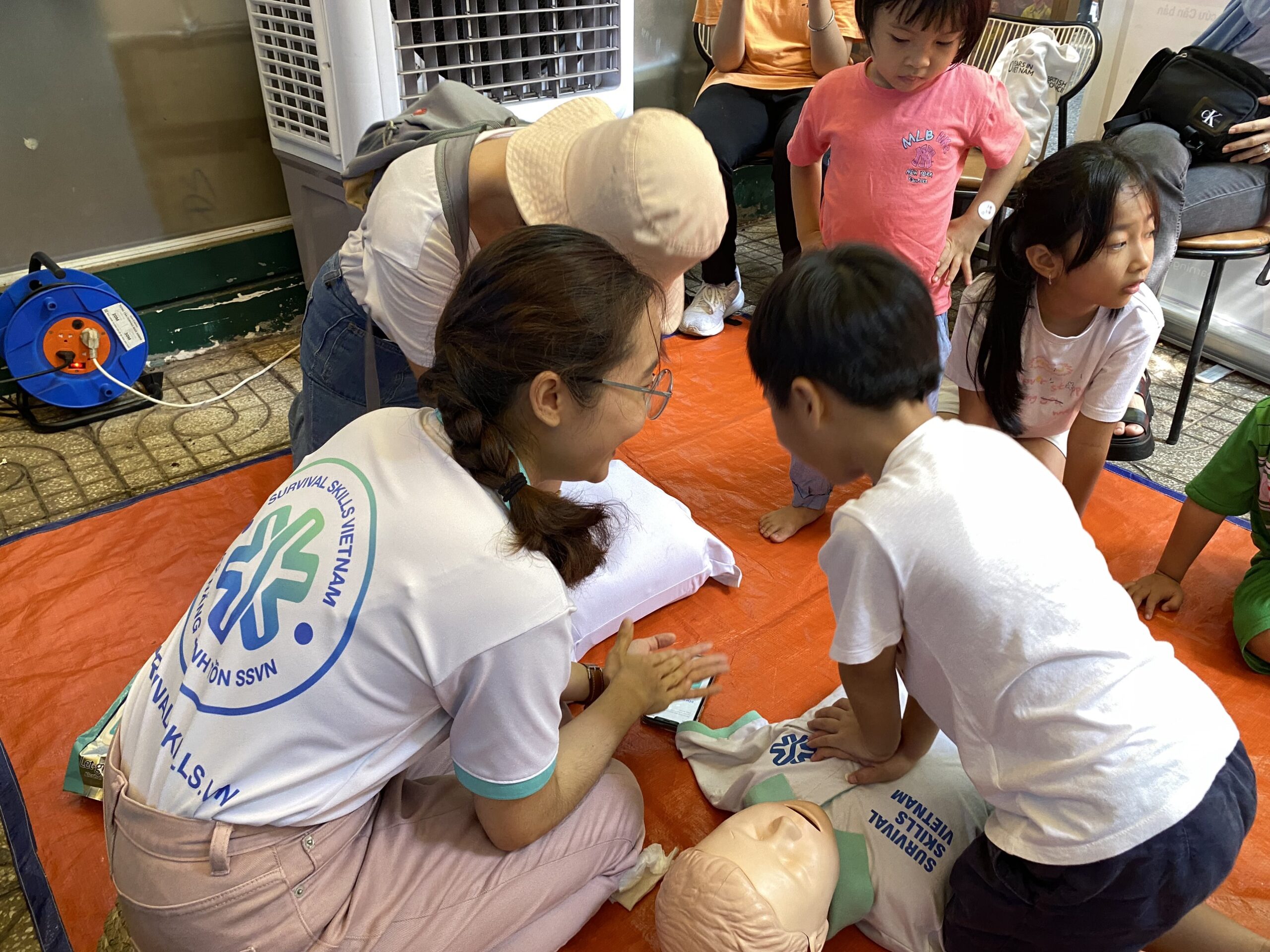
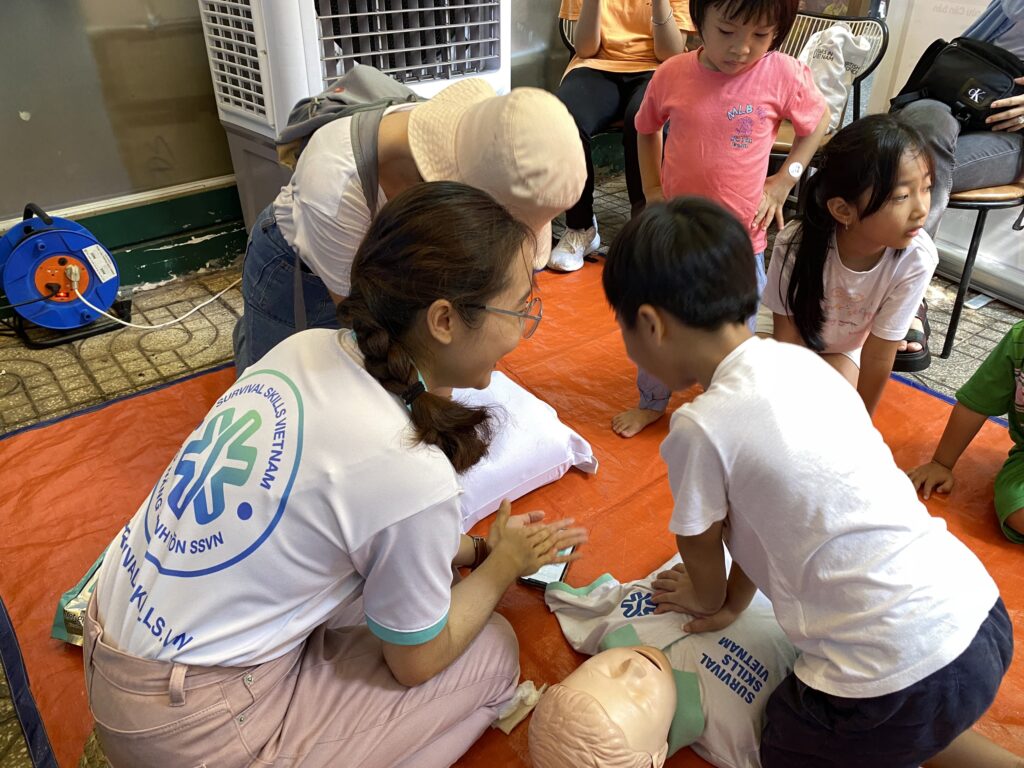
In addition to providing first aid knowledge for children, SSVN also shares basic skills with parents such as CPR, foreign object choking… Thanks to practical activities, children and parents are equipped with the necessary knowledge to protect themselves and respond promptly in dangerous situations.
Children are practicing CPR first aid movements on mannequins
The event attracted a large number of parents
SSVN would like to send sincere thanks to 1LIFE First Aid Bags and Ho Chi Minh City Book Street for creating conditions for this series of activities to take place successfully.
The program has left an unforgettable mark, helping hundreds of children and their families access useful knowledge about first aid, contributing to raising awareness of accident prevention and self-rescue in the community. SSVN hopes that the journey of planting seeds of first aid knowledge will continue to spread more widely in the future!
Let’s join SSVN in equipping your children with the necessary skills to protect themselves and their friends, especially to prevent drowning this summer!
Visual safety in the water: How does the color of your swimsuit affect your safety in the pool?
When it comes to pool safety, we often think of factors such as lifeguards, signs and depth markers. However, one aspect that may not immediately come to mind is the color of the swimsuit. Believe it or not, the color of your swimsuit can play a role in your safety while swimming. Let’s find out why swimsuit color is important and how it can affect your child’s safety in the pool.
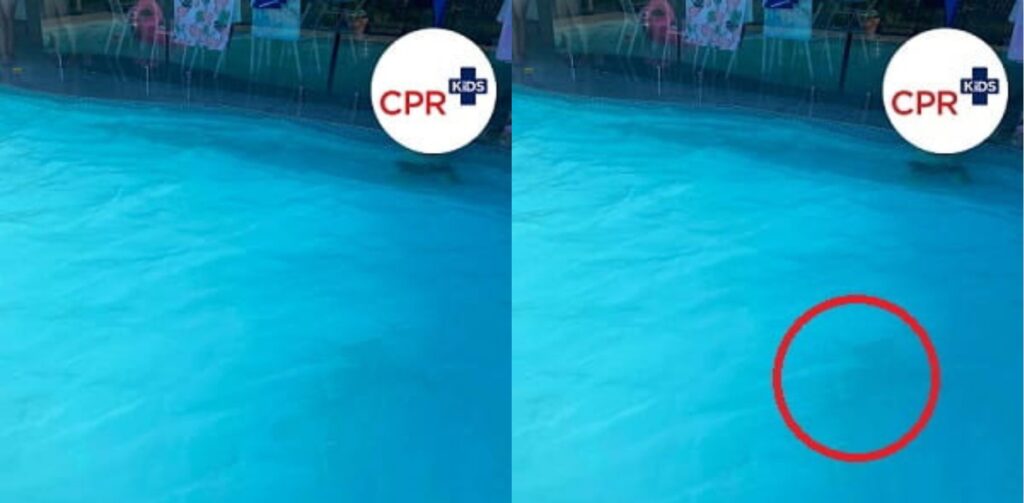
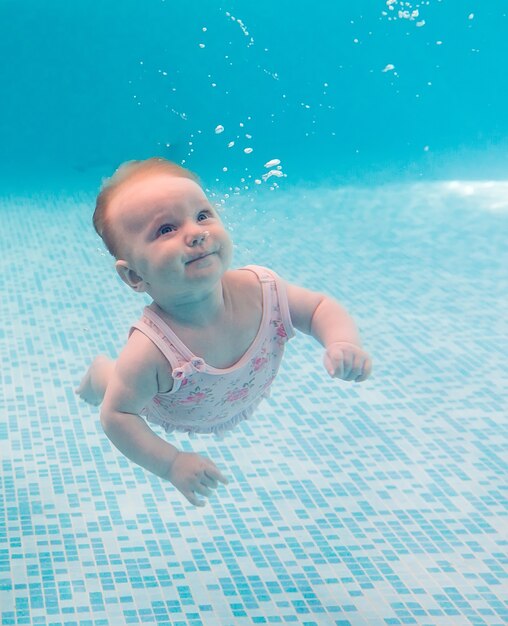
Photo: Royallifesavingwa. Do you see the swimming baby in the photo?
The picture above demonstrates the importance of swimsuit color and why it’s best to choose brighter colors, especially for children. At first glance the image appears to be an empty swimming pool but there is actually a child swimming in the water. This terrifying image shows how easily a child can disappear from view in a certain situation if not wearing the right colored swimsuit. The child is wearing light blue shorts and is virtually invisible if you don’t know he’s there.
The importance of wearing colorful swimsuits when entering the pool:
Photo: Plympton Fire department
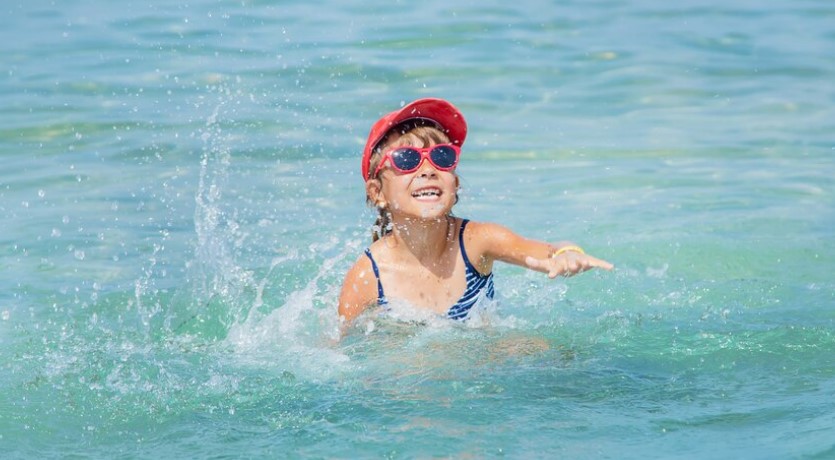
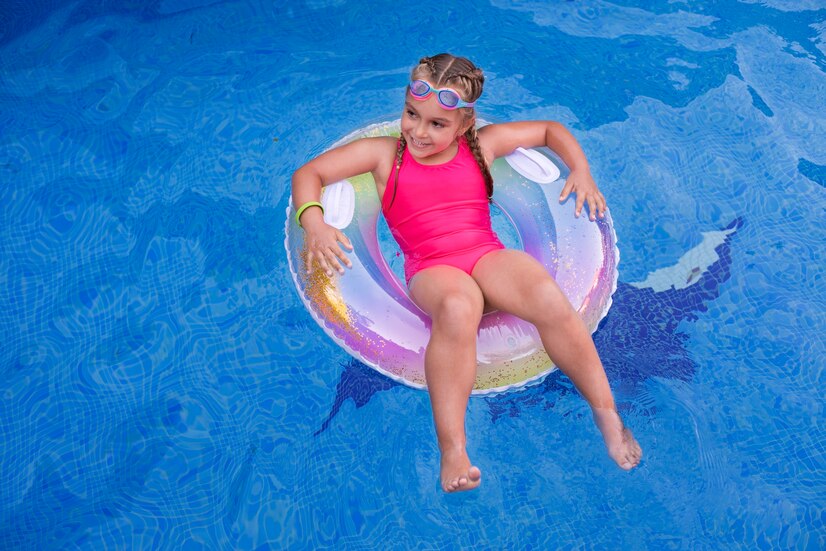
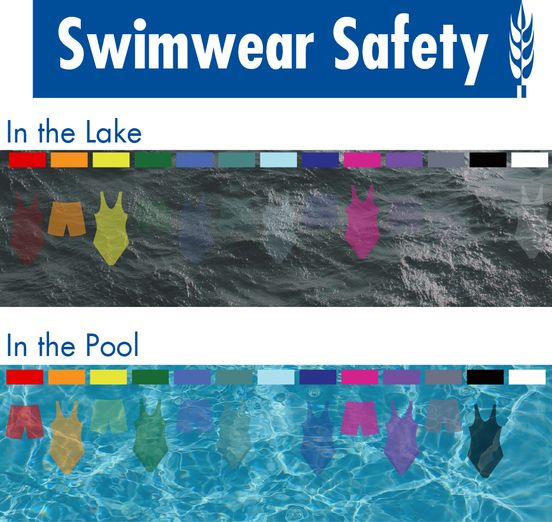
Visibility is key when it comes to pool safety. Swimsuits in bright colors, such as neon green, orange and pink, are easier to spot in the water, especially in crowded pools. This visibility makes it easier for lifeguards to monitor swimmers and respond quickly in an emergency. When you wear a brightly colored swimsuit, you are more likely to stand out from the water, making it easier for others to see you.
Neon colors: Vibrant neon shades, including neon yellow, orange and green, are highly visible in pool environments. These colors stand out clearly above the water, making it easier for lifeguards and swimmers to spot people wearing them.
Red: Red is a bold color that contrasts well with the typical blue color of pool water. It can greatly improve visibility, especially in crowded or deeper pool areas.
Choosing dark colored swimsuits can endanger visibility in the pool:
Conversely, dark-colored swimsuits can blend into the water, making it harder for lifeguards and other swimmers to see you. In low light conditions or murky water, or when there is a lot of activity in the pool, this lack of visibility can be even more pronounced, increasing the risk of collision or accident. Additionally, dark colors absorb more sunlight, potentially making the wearer feel hotter and more uncomfortable under the sun’s rays.
Some colors are known to be less visible in pool environments, potentially posing safety risks to swimmers. Include:
Dark colors: Dark colors such as black, dark blue and brown can be difficult to detect in the pool, especially in deeper or dimly lit areas. These colors can bleed into the water, making it difficult for lifeguards and other swimmers to quickly identify people wearing them.
Light blue: While light blue is a popular swimsuit color, it can also be less prominent in a pool setting, especially in similarly colored water. In some lighting conditions, light blue swimsuits may not stand out effectively, affecting visibility.
White: Remember that pool liner is usually a light blue color and when water splashes or the water moves vigorously, the white color can easily blend in.
Therefore, when choosing swimwear, consumers need to consider not only aesthetic factors but also safety issues.
However, equipping your child with a swimsuit with easily detectable colors cannot replace the important role of supervision by parents and those around them.
Close observation and monitoring when taking children swimming is extremely necessary and cannot be neglected.
Some children may get lost or separated from their families when swimming in public places. This can cause serious consequences if not detected and treated promptly. Therefore, parents need to always keep their children within sight and at the same time teach them self-protection skills in the water environment.
Learning first aid is very important for yourself, your family and the community. However, it does not substitute for practice training under guidance of experts to make sure you handle real emergency with confidence and correct practices.





 In addition to providing first aid knowledge for children, SSVN also shares basic skills with parents such as CPR, foreign object choking… Thanks to practical activities, children and parents are equipped with the necessary knowledge to protect themselves and respond promptly in dangerous situations.
 Some colors are known to be less visible in pool environments, potentially posing safety risks to swimmers. Include:

