by Hoài Nhi | Jul 18, 2024 | News
Experts say the fact that two boys in Sa Pa survived 3 days trapped in harsh conditions is “a miracle”.
The story of two boys in Hoang Lien commune (Sa Pa town, Lao Cai province) who survived 3 days of being trapped by drinking water from a tank has attracted public attention.
On the afternoon of June 29, Ly A P. (10 years old) and Ly A S. (7 years old), Mong ethnic group, residing in Lao Hang Chai village (Hoang Lien commune) went fishing at Muong Hoa stream, suspected to be missing.
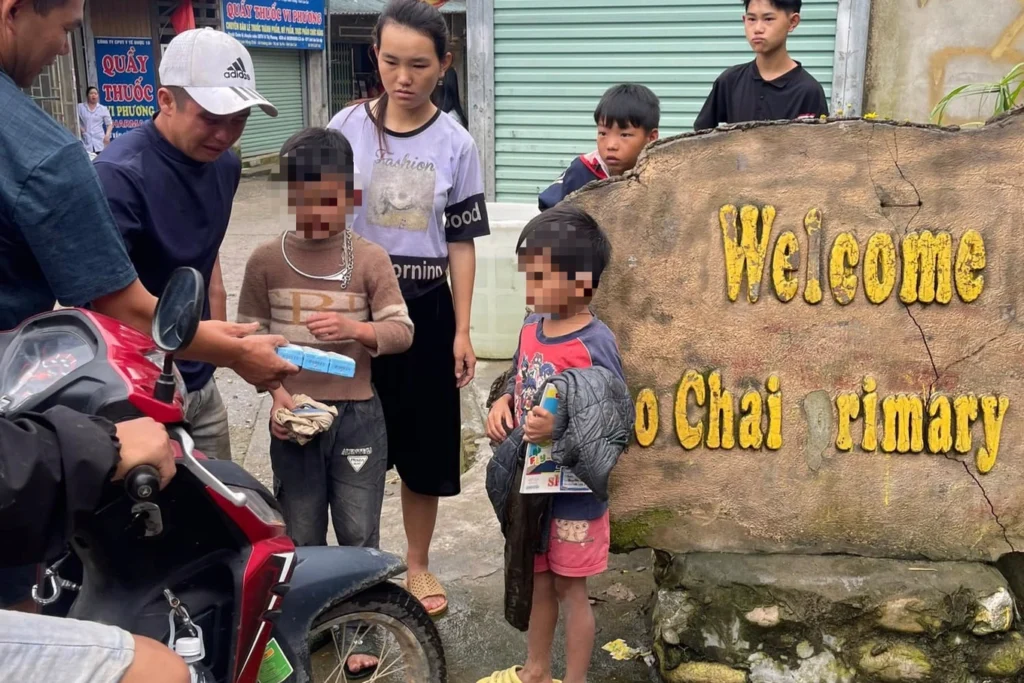
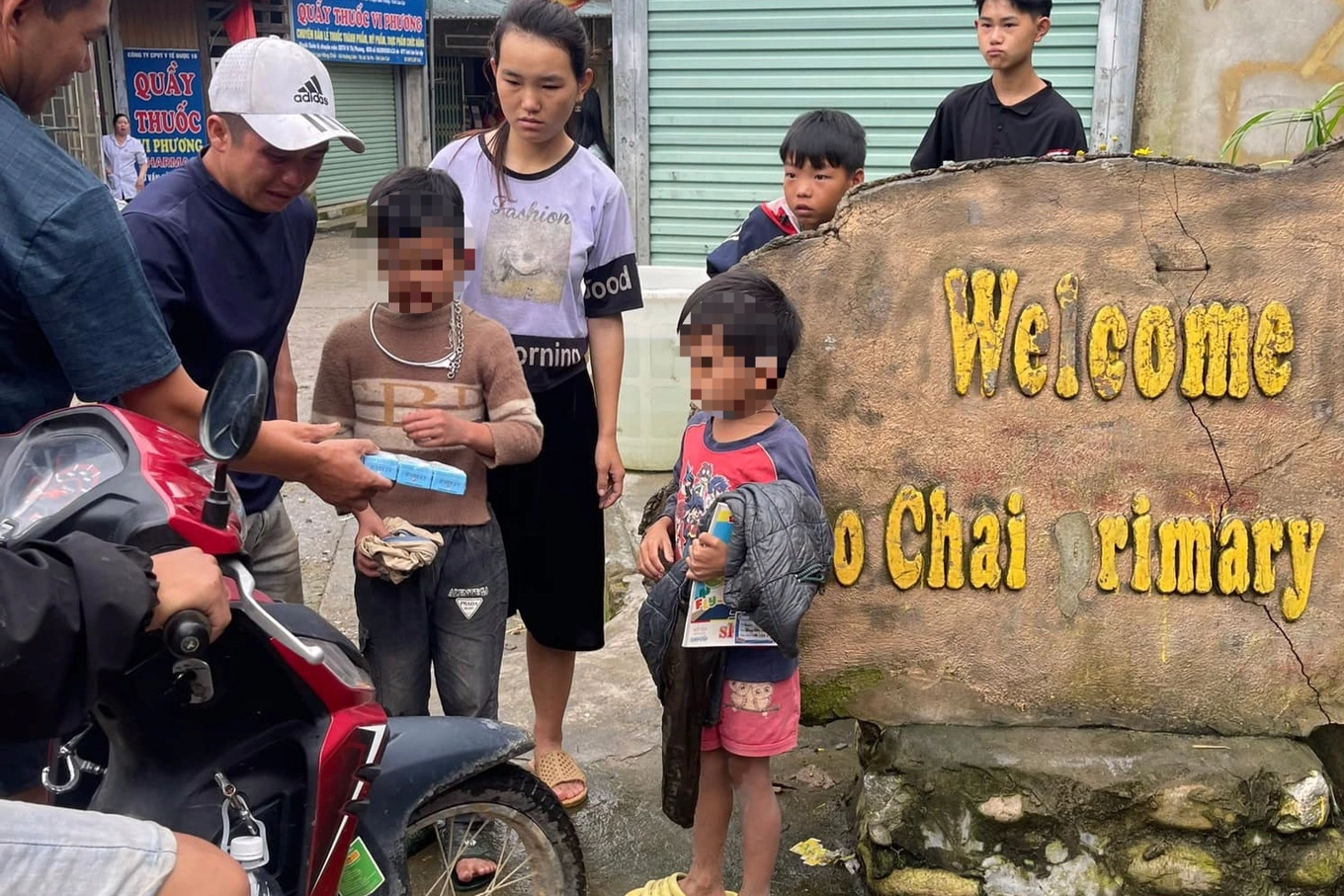
Two boys were found alive by drinking water from a septic tank (Photo: Provided by the character).
The two children then climbed onto the roof of Lao Chai Primary School when the outside door latch collapsed. At this time, because it’s summer vacation, there are very few people around the school.
The attic area – where the two children were trapped – lacked light, was cramped and hot. The water tank was the only thing that saved the two children’s lives during their 3 days of survival.
The two children quickly opened the water tank, climbed in to draw water to drink and avoid the heat during the days they were stuck. Mr. Lo A Seng, Vice Chairman of Hoang Lien Commune People’s Committee, said the two children were safe after 3 days thanks to the rain and cool weather in the past few days. In addition, although there was no food, luckily there was a tank of water to drink in the area where the two children were trapped.
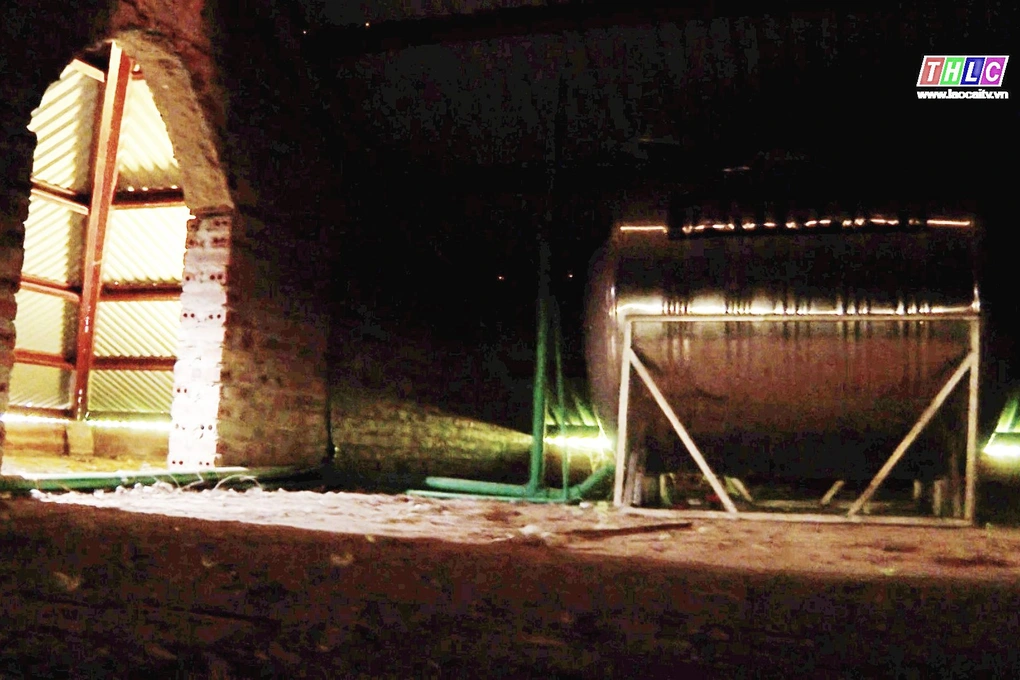
The rooftop where the two boys were trapped lacked light and was cramped, but luckily there was a water tank (Photo: Lao Cai Radio and Television Station).
Talking with Dan Tri reporter, Australian rescue and emergency rescue expert Tony Coffey, co-founder of the Social Enterprise Survival Skills SSVN (Survival Skills Vietnam), commented on the incident of two boys surviving after the accident. Three days stuck in harsh conditions was “a miracle”.
Three conditions are necessary for human survival, including: Shelter (avoid extreme heat, cold, wind, and sun); water and food.
“The two of them used very good survival skills and maybe that contributed to their survival,” Mr. Tony Coffey said.
Besides, even though they were stuck, they did not panic or lose their temper, so they also avoided losing energy.
According to experts, there is currently no specific figure on how long humans can survive in harsh, deprived environments. Without food and water, humans are said to be able to survive for as long as about a week (depending on physical condition).
Mr. Tony Coffey said that children in the city often do not have to face harsh conditions like children in remote areas – where living conditions are difficult.
The two Mong ethnic children may not have learned survival skills, but their survival instincts helped them survive. Experts recommend that in case of being stuck in a closed space and unable to find a way out, both adults and children should try to stay calm to reduce energy and oxygen consumption; use all available means to attract attention by making noise/noise, creating fire/smoke.
“All parents and caregivers first need to learn/equip vital knowledge and skills to impart/guide/teach to their loved ones,” Mr. Tony Coffey emphasized.
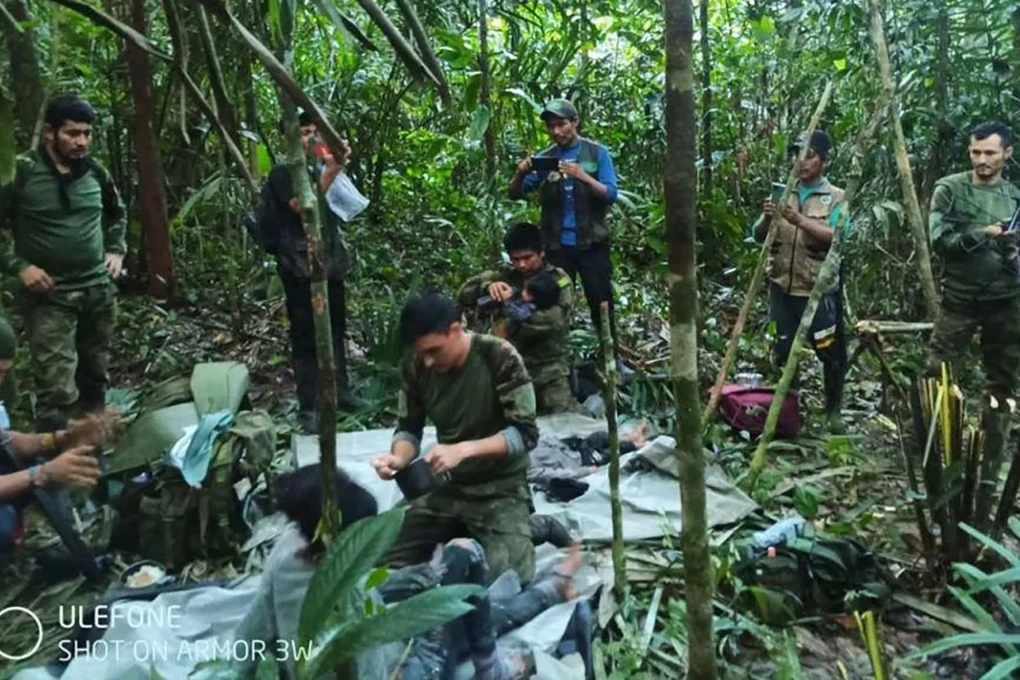
Colombian rescue forces found 4 children missing for 40 days in the Amazon forest (Photo: Twitter).
Mr. Tony Coffey said there are many organizations around the world that teach survival skills to children. Some organizations that specialize in specific environmental conditions, such as the Scout Association, often teach wilderness skills. While others, such as Surf Life Saving, specialize in water safety and general survival training.
“In addition, all ages should learn basic first aid skills to know how to effectively handle and respond to injuries or emergencies related to physical health to survive in any environment. “, experts said.
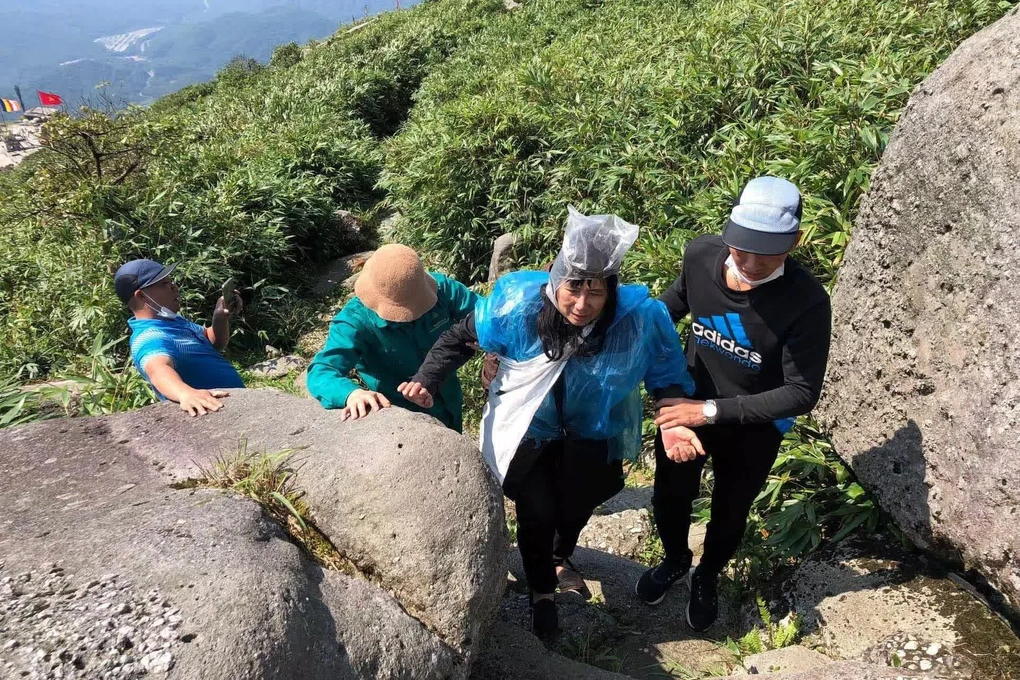
Ms. Lien was rescued from the abyss (Photo: Provided by Yen Tu Management Board).
Previously, in Vietnam, many cases of survivors after many days of being trapped also attracted public attention.
In May 2022, Ms. Nguyen Thi Bich Lien (61 years old, Nam Tu Liem district, Hanoi) was found alive after 7 days in the Yen Tu abyss (Quang Ninh province).
Ms. Lien’s return was considered by many to be a miracle because even with only a bag of rice cakes in her hand, she still managed to endure for a week amidst the rainy, windy, cloudy weather conditions in the mountains and forests of Yen Tu.
Source: Dan Tri
by Hoài Nhi | Jul 18, 2024 | Event, News
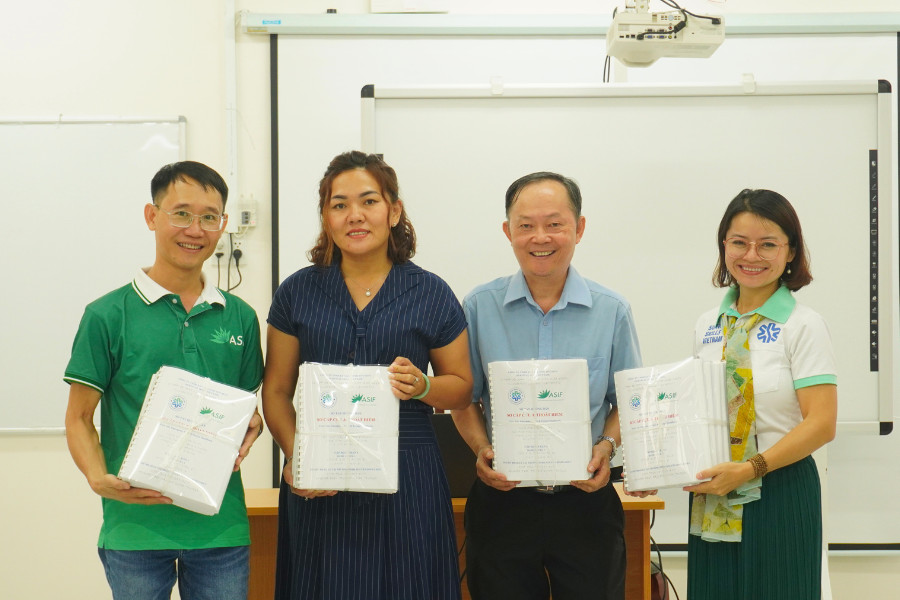
Accordingly, representatives of SSVN and ASIF presented 105 Braille versions of First Aid & Escape Manuals to public and private facilities, centers, and shelters for educating the blind.
The event was held at Nguyen Dinh Chieu Special High School, marking a meaningful milestone in the journey of bringing first aid knowledge closer to the blind community.
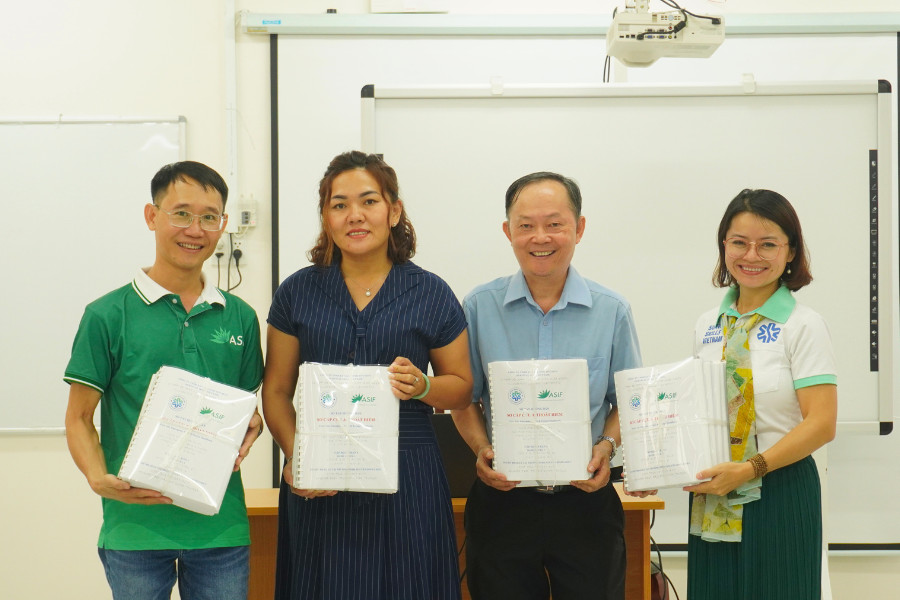
Representative of ASIF, Mr. Thuan Nguyen (left) – Board of Directors of Nguyen Dinh Chieu Special High School (middle) and representative of SSVN, Ms. Trang Jena (right) are donating books to the school
With the aim of focusing on improving opportunities to access knowledge and information for visually impaired people. This not only contributes to improving living conditions, but also helps them integrate into the community more positively.
Every day, students face significant challenges when studying and living at school. For children with visual impairments, the risks and dangers become even more worrying.
However, with the constant attention and efforts of Survival Skills Vietnam and the teachers of Nguyen Dinh Chieu Special High School, the First Aid Manual project was converted into Braille format as a source of material. The first first aid education in Vietnamese for blind children, they were provided with extremely useful tools such as Braille books and audiobooks.
It not only helps children improve their first aid knowledge and skills, but also provides specific instructions on how to escape in case of an incident. This not only helps protect children’s safety but also contributes to enhancing their independence and confidence in life.
This is part of Survival Skills Vietnam‘s strategic vision to help Vietnamese people, including people with disabilities, have access to first aid skills. Survival Skills Vietnam is building to become the first first-aid teaching unit that can serve people with disabilities in Southeast Asia and developing technology so that more people with disabilities can access first aid knowledge, especially in remote areas.
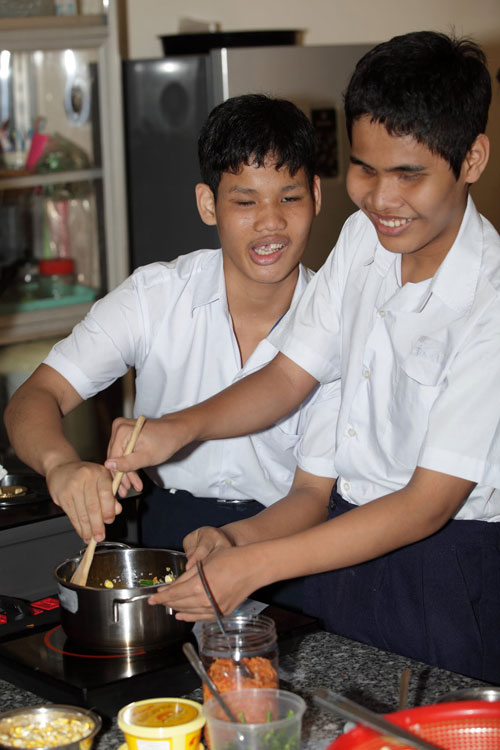
Photo: David de Witt
At the ceremony, ASIF representative, Mr. Thuan Nguyen, shared about the organization’s enthusiasm when implementing this project. He emphasized his desire to provide valuable learning resources, not only for students but also for the entire education system, to create a solid foundation for future projects to support the blind.
Ms. Trang Jena Nguyen, representative of SSVN, also shared about the motivation for establishing the project, from ASIF’s initial support for 4 teachers to now reaching other subjects such as the deaf and multi-racial people. with disabilities, contributing to building a system to support people with disabilities in accessing essential knowledge.
The representative of the Nhu Nghia Brothers Home for the Blind, Sister Dung, expressed her concern about the difficulty in accessing books for the blind. She also shared about the Braille book printing project and called for support to bring more “sources of joy and happiness” to the children.
SSVN hopes to join hands towards improving the quality of life and opportunities to access essential knowledge for the blind community in Vietnam.
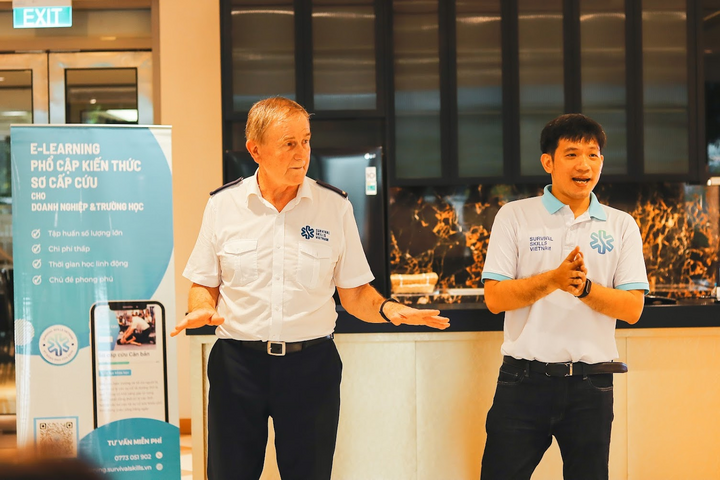
by Hoài Nhi | Jul 4, 2024 | Binh's article, News
The first Vietnamese first aid app on first aid solutions by former Australian student Ho Thai Binh helps reduce the mortality rate of people with health risks.
Mr. Ho Thai Binh (1990) is one of the former international students in Australia, Bachelor of Business, RMIT University, Master of Business, University of Queensland. He is currently holding two positions at the same time: Director of Survival Skills Vietnam Social Enterprise (SSVN) and Deputy Director of SiGen Company Limited.
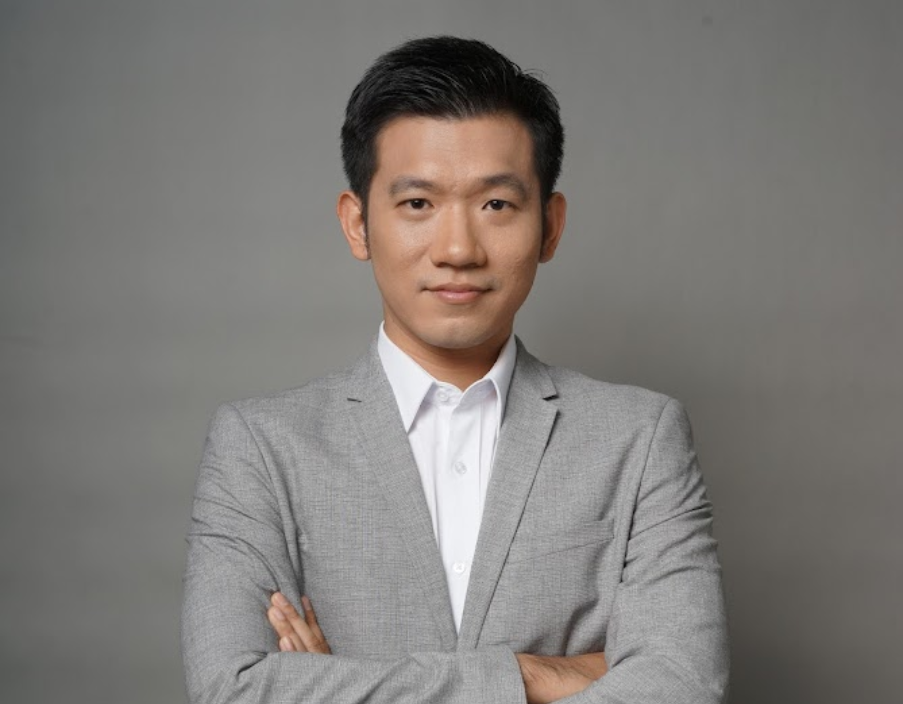
Let’s talk with Mr. Ho Thai Binh to understand why he is always dedicated to promoting the development of startup projects and closely connecting with the Association of Vietnamese Students in Australia and alumni.
– As a former Australian student, why did you choose to return to your homeland to start a career instead of staying like many others?
I think that as Vietnamese people, as long as their hearts are always turned towards their homeland, whether in Vietnam or anywhere in the world, they can contribute to their country. In my case, due to my passion for solving social problems, although I studied business, during my time in Australia I also took additional courses on sustainable development. Every country has its own problems. I have the opinion that as a Vietnamese, I personally want to prioritize solving my country’s problems first. And the best way to solve this is to return to Vietnam to apply this knowledge to understand and find answers to those problems.
Your work is making great progress. What difficulties and advantages did you encounter when starting your business?
In terms of advantages, the projects all have the purpose and meaning of bringing benefits to the community, solving social issues of concern, so they also receive great support from the community and support programs from domestic and foreign organizations. Besides, it is possible to maintain a network of classmates and Australian alumni from many different fields, so you can find teammates, people to share knowledge and experience with when facing difficulties and deadlocks. However, besides the advantages, there are also difficulties like what we do, although there is nothing new in developed countries, it is even an obvious part of their country, but when brought back, it is too strange and difficult to receive acceptance from the market right from the beginning. For example, when a person has a traffic accident in developed countries such as Australia, the US, European countries, etc., it is very normal for passersby to provide first aid to the victim properly before the ambulance arrives. The participation rate is 70%. Because first aid skills are taught in school from the age of 6 and are constantly repeated on TV. However, in Vietnam, this rate is very low. I read a hospital report showing that this rate is only under 5%, and the death rate due to traffic accidents, strokes, drowning, etc. in Vietnam is higher than in countries where people learn first aid early. Vietnamese people often think that first aid is the responsibility of doctors, but in the “golden time” of just the first few minutes, even in developed countries, ambulances cannot arrive in time. When presenting the idea of establishing a first aid training business, investors all said that no one would want to give this knowledge away, let alone sell it.
Mr. Ho Thai Binh attended the training course with expert Tony Coffey.
– What idea made you decide to set up a first aid company?
Initially, I was just a student in the First Aid class of Survival Skills Vietnam taught by Mr. Tony Coffey – an Australian paramedic and Ms. Trang Jena – also a former international student. After finishing the course, I found this skill very important because my mother – a medical worker – saved my life many times thanks to these skills, so I volunteered for Survival Skills Vietnam to create the First Aid mobile application and organize the first classes in Vung Tau.
One evening, in class, there was a group of high school students who traveled 20km from Ba Ria to Vung Tau to study. The group was very surprised because normally the people who learn first aid are adults, especially women with small children, who take care of the children when they have health problems or accidents. Curious, Ms. Trang Jena asked the student why he went to school and received the answer: “If I had known first aid 2 months earlier, my father might not have died.” Two months ago, when this student’s family was preparing for Tet, his father suddenly became unconscious and his heart stopped beating. However, the family did not know what to do but wait for the ambulance to arrive. When the ambulance arrived it was too late.
This story makes me wonder, if the whole team continues to volunteer, each person tries to work overtime to get more days off, saves their monthly salary to volunteer to teach in a small group, then each year at most they can only teach a few hundred people, that number is just a drop in the ocean compared to a population of 100 million people. Therefore, if we continue to do this, thousands of other people will have to watch their loved ones pass away without knowing what to do like the case above.
While looking for a solution, Vietnam has just recognized Social Enterprises (SEs) in the Enterprise Law. Social enterprise is a great idea, I can use the business knowledge I learned from Australia to create some social impact in Vietnam. And since transforming from a volunteer project into a social enterprise, Survival Skills Vietnam has more resources to increase the number of people accessing first aid skills and invest in technology to help everyone, anywhere, have access.
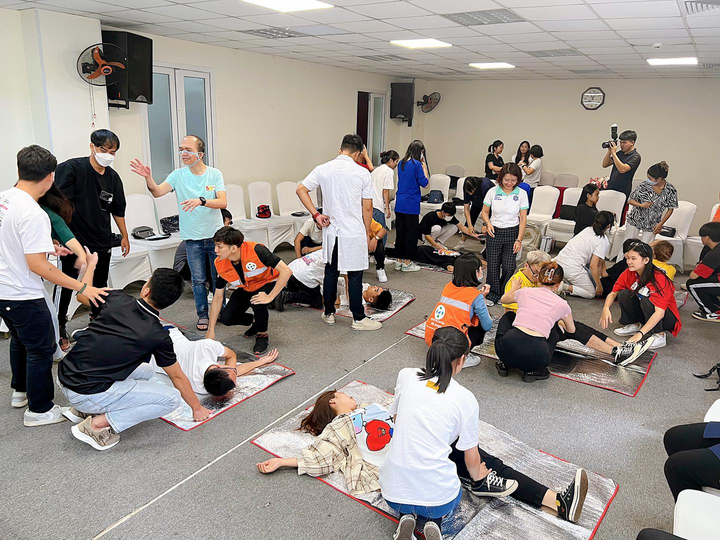
First aid training course.
– The company owns a very useful first aid mobile application, how did you start this project?
7 years ago, when I took a first aid class, I wondered if I was not a doctor to practice first aid every day, so I might forget after a while.
Therefore, I tried to search online and discovered that most of the information about first aid at that time was unreliable, with the purpose of selling. Medical information from reliable sources was usually for medical professionals, and people without medical expertise could hardly understand or follow it.
Meanwhile, most mobile applications are in English, there are no applications in Vietnamese. From there, I found it necessary to create a first aid lookup application in Vietnamese. However, at that time, SSVN was doing volunteer work, the money contributed was mostly the savings of the contributing members, so it was not enough to make the app. I tried to learn simple programming methods to make apps.
Because I have no programming expertise, I had to learn while doing. I made and discarded 10 buggy versions before finally creating a successful final version on Android devices with only a lookup feature and instructions in pictures and text.
Then, fortunately with the support of Mr. Trung, a student of SSVN and also a programmer, SSVN released an additional IOS version. Not long after, this information was transmitted to the Australian Embassy, and the Australian government funded the development of the next version with more functions such as video and voice instructions… To date, the First Aid mobile application is the first and most popular emergency first aid lookup application in Vietnamese.
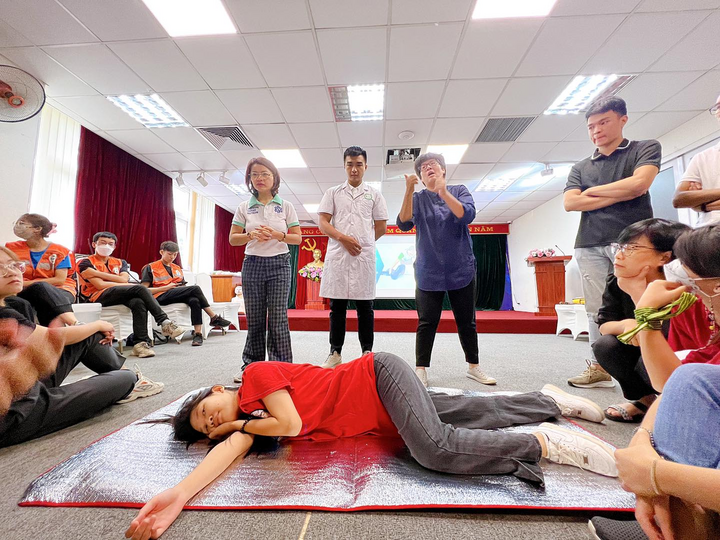
Training project for the deaf.
– As an Australian alumni, he is very enthusiastic about participating in the Association’s activities and has had very outstanding achievements. How important is maintaining the connection between international students in the diplomatic relationship between Vietnam and Australia?
Former Australian international students are those who were born and raised in Vietnam, then studied and lived for a while in Australia, thereby understanding the culture, environment, and working style in both countries.
Former Australian international students are those who were born and raised in Vietnam, then studied and lived for a while in Australia, thereby understanding the culture, environment, and working style in both countries. With one of the largest alumni communities in the world, Australian alumni are a great asset in strengthening the diplomatic relationship between the two countries.
The most recent project with other Australian alumni is First Aid Training for the Deaf, conducted with the PARD Center for the Deaf, chaired by Ms. Nguyen Tran Thuy Tien – Director of the Center. The project includes training deaf people in first aid skills, training deaf trainers to teach first aid skills to other deaf people directly in sign language, and creating a library of first aid instructional videos in sign language.
The two organisations were connected because their founders attended a training course on teaching skills organised by the Australia-Vietnam Human Resource Development Program (Aus4Skills) for Australian alumni.
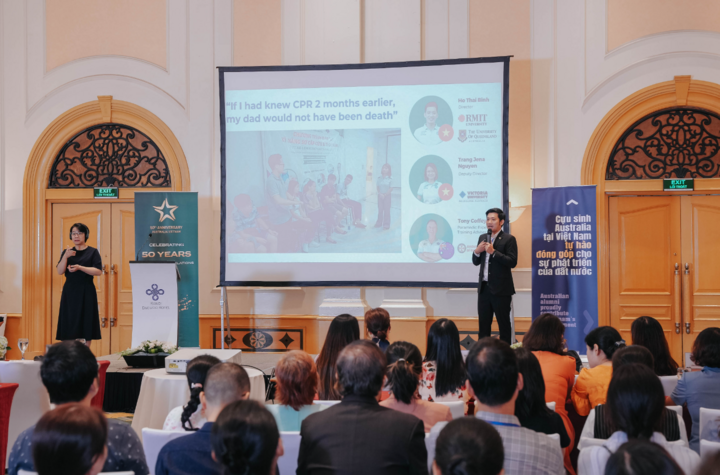
Mr. Ho Thai Binh shared at the Australian Alumni Forum in Hanoi.
– What are your future plans for developing projects in Vietnam?
My company SSVN wants to bring first aid to more people, especially in areas far from big cities, where the medical and emergency systems as well as people’s awareness of safety and health are not high.
Therefore, I am in the process of looking for local partners in the education sector to transfer this model so that they can both generate profits for themselves and contribute to the community in a sustainable way.
– Thanks so much!
As part of Aus4Vietnam, Aus4Skills is a 10-year, $86.4 million Australian-Vietnam partnership to support Vietnam to develop its capabilities, seize economic opportunities, achieve long-term growth and recover from the COVID-19 pandemic.
Source: vtc.vn

by Hoài Nhi | Jul 4, 2024 | Learner-stories, News
Haunted by the times of jostling to go to the temple and watch fireworks, and recently the tragic stampedes, the U70 man decided to “learn from the master” in a survival skills and first aid class and share his story.
Lately, reading the news, I have been constantly shaken by the stampede disasters with the death toll reaching triple digits.
Crowded scene
The stampede at Kanjuruhan football stadium, Malang Regency (East Java, Indonesia) claimed the lives of 127 people. Next, on the night of October 29, 153 people died due to crowding in Itaewon Street (Seoul, South Korea). On November 1, 141 people died when a suspension bridge collapsed over the Machchu River in Morbi town (Gujarat state, India). Previously, in 2010, a horrific stampede at the Rainbow Bridge (over 100m long) connecting Phnom Penh (Cambodia) with Diamond Island during the water festival – Bon Om Touk killed 456 people.
At my age of nearly 70, I’m not afraid of death but I don’t want to die unreasonably like that. Until now, I am still haunted by the time I crowded to go to Ba Pagoda (Binh Duong) on the full moon day of January more than 30 years ago. At that time, the traffic was so jammed that the car doors could not be opened. The traffic was stationary for hours, the sound chaotic. I’m afraid the bridge will collapse. Luckily, I escaped this scene a few hours later. From then on, I vowed not to go to crowded temples anymore.
There were a few times when I went to see fireworks on New Year’s Eve. The crowd was so crowded that I had to carry my child on my neck. The crowd grew larger and larger, but fortunately nothing unfortunate happened. I’m increasingly afraid of crowds because I don’t want to make myself a victim.
I decided to “seek a teacher to learn from”, first to save myself, then to help the community. Luckily, on this occasion, the “First Aid and Survival Skills” class organized by SSVN (Survival Skills Vietnam) took place. Classes taught by foreign experts. I quickly signed up but still had to wait two weeks for my turn.
Young and old study together happily
I’m still eager to go to school at an old age, so I took the opportunity to come early to get acquainted. The class is full of young people, some are kids, around 2nd or 3rd grade. There were two old men in their 70s: Mr. Tony Coffey, SSVN Training Director, 65 years old, and me, 2 years older than him. Mr. Tony Coffey is also a leading expert of the Sydney Lifesaving Association and the New South Wales Lifesaving Academy (Australia).
Instructor guides how to escape when being hit or kicked.
The classroom is warm and intimate, like a big family of three generations living under one roof. Mr. Tony looks much younger, probably because of the environment where he always works with young, enthusiastic, and talented people. The class has 20 students, mostly 8X, 9X. There are three friends in high school, two in grade 1, one in grade 3. Three kids followed their parents to study because it was Sunday and there was no one to look after them at home. Studying with young people, I feel younger, sometimes I forget my old age.
Having taught at university and attended training programs at the Ho Chi Minh City First Aid and Disaster Prevention Training Center (established in 2007), I still remember that students all said that “First Aid is the shortest but most useful and practical subject throughout the 4 years of university.” Coming to this class, I am still surprised by the content and teaching method. Before class, students are given a test on first aid knowledge.
Journalist Pham Tuan Nghia, who goes to school with his two children (in grades 1 and 3), confided: “The class is great, helping students understand the principles of SCC – Preserving the victim’s life – Preventing the victim’s situation from getting worse – Promoting the victim’s recovery – Protecting the victim from other dangers. Along with that is the priority and order of injury treatment to determine the victim’s position (conscious and unconscious)”. Mr. Nghia is passionate about the contents: cardiopulmonary resuscitation to first aid for stroke, cerebrovascular accident, myocardial infarction, sudden cardiac arrest, stroke identification signs FAST (Face, Arms, Speech, Time)…

Young students practice CPR and mouth-to-mouth resuscitation in class.
Devin Kurtis Bond (USA), the only foreign student in the class, shared his interest in how to handle situations that may occur in life such as: choking on foreign objects and food, blood loss, nosebleeds, shock identification, first aid for drowning, types of burns, first aid for dog bites, jellyfish, barbed fish… He also appreciates the way to guide escape from jostling crowds, trampling, fires, and family escape plans.
Devin asked Mr. Tony in English but discussed and practiced, speaking Vietnamese like a Vietnamese person, even though he had been in Vietnam for less than 5 years. Devin joked: “The fastest way to learn a foreign language is to marry a woman who speaks the language you want to learn. Unfortunately, I want to learn many languages but I can only marry one wife.” Devin is an English teacher and runs a travel agency in Ho Chi Minh City with his wife.

Students practice first aid skills for traffic accidents in class.
Turn dry content into engaging content
Dang Ngoc Tin, a former student of Hutech University, said: “When I was a student, I studied SCC but it was mainly theory. Now that I study it again, I feel it’s really meaningful. I really enjoyed the practical part, especially the disaster survival practice and the situational questions.”
As for the three young students, although they were spectators, they also enthusiastically participated in the practice, playing the role of children who had an accident.
Tin, a third grader, son of journalist Pham Tuan Nghia, keeps asking his father: “When will our SCC class be available?” (a class specifically for children under 10 years old). Tin is “small but mighty”, can swim 40 laps in a row in the pool (more than 1 km) and row a sub across the river. Three children enjoyed practicing first aid on dolls (infants).
The great thing about teachers and teaching assistants is that they turn dry content into something interesting with lively, laughter-filled practice sessions, despite the 6-decade generation gap (7-67 years old). During breaks, students take advantage of the opportunity to ask the teacher more questions or practice with each other. After class, many students still stayed behind, chatting animatedly.
At the end of the course, students will be granted a “Certificate of Completion of Basic First Aid & Cardiopulmonary Resuscitation Training Course” by SSVN with a “Level 1 First Aid & Escape Instruction Manual”. The handbook helps students systematize the content and operations they have learned with many beautiful and vivid illustrations. After learning, reading will see the full value.

Students are granted a “Certificate of Completion of Basic First Aid & CPR Training Course” by SSVN along with a “Level 1 First Aid & Escape Instruction Manual” after the course.
SSVN has many survival skills activities aimed at the community, especially people with disabilities. Tuition fees are flexible depending on the number of students. In my opinion, disaster prevention should be separated into its own class. I wish all Vietnamese children were like Tin, 3 years old, good at swimming, 9 years old, good at reading and martial arts.
SSVN certification is one of the ISOs that enter the lives of Vietnamese youth, especially when getting married. U70 goes to SCC, still excited for 8 hours and healthy. I will take more practical survival skills classes to help myself and contribute to helping others. Young people, why not?
The SSVN program is always updated with the latest information from the International Liaison Committee on Resuscitation (ILCOR).
Prestigious teaching staff, trained abroad. Practical content, scientific operations, rich application. Especially Mr. Tony’s way of inspiring, simple, witty and very pedagogical. No training but hands-on practice, over and over again.
Source: NGUYEN VAN MY, Chairman of Lua Viet Tours
by Hoài Nhi | Jul 3, 2024 | Community, Event, News
Drowning is a serious life-threatening hazard that often occurs without warning. Vietnam is a country with a high rate of child drowning deaths.
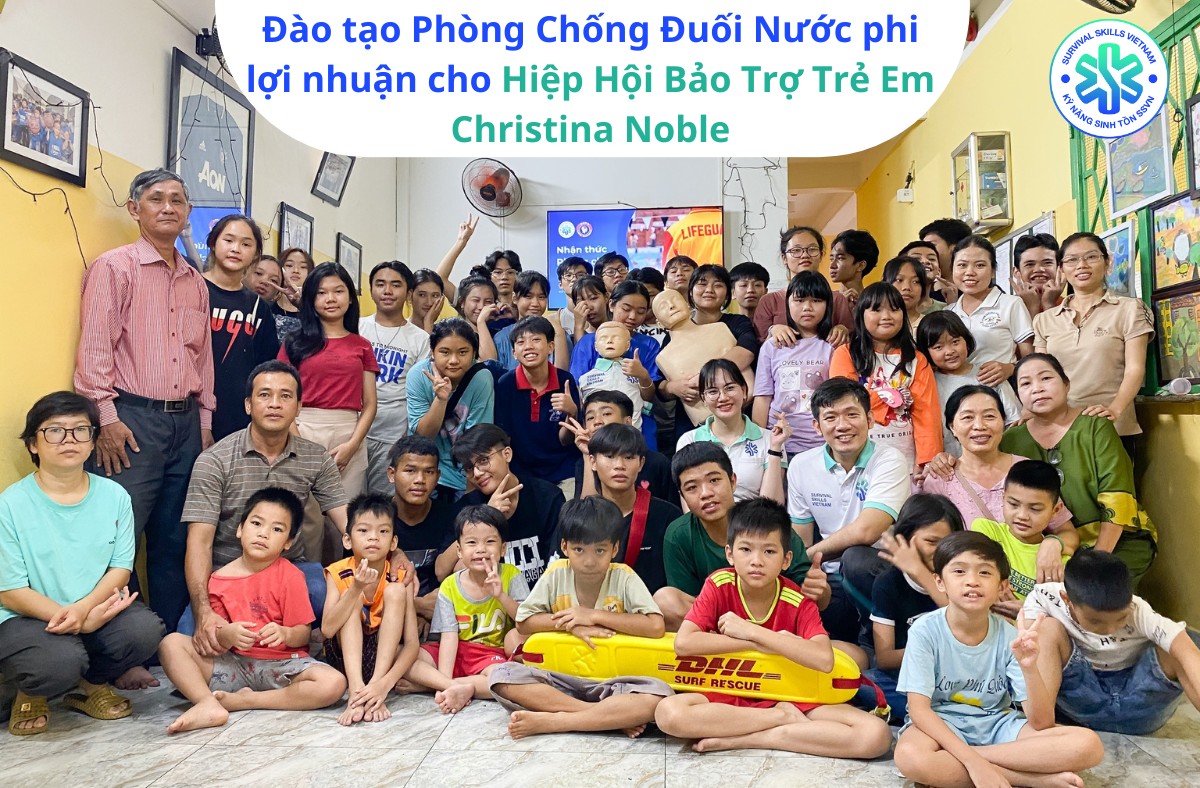
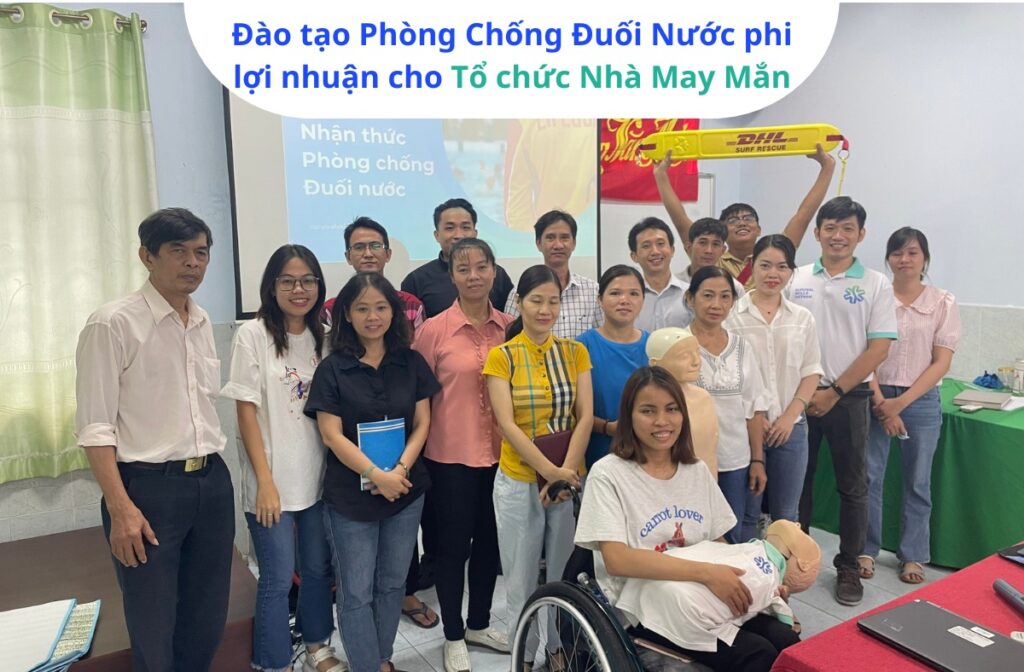
Recently, SSVN has cooperated with organizations to protect children and the disadvantaged to impart skills to prevent drowning.
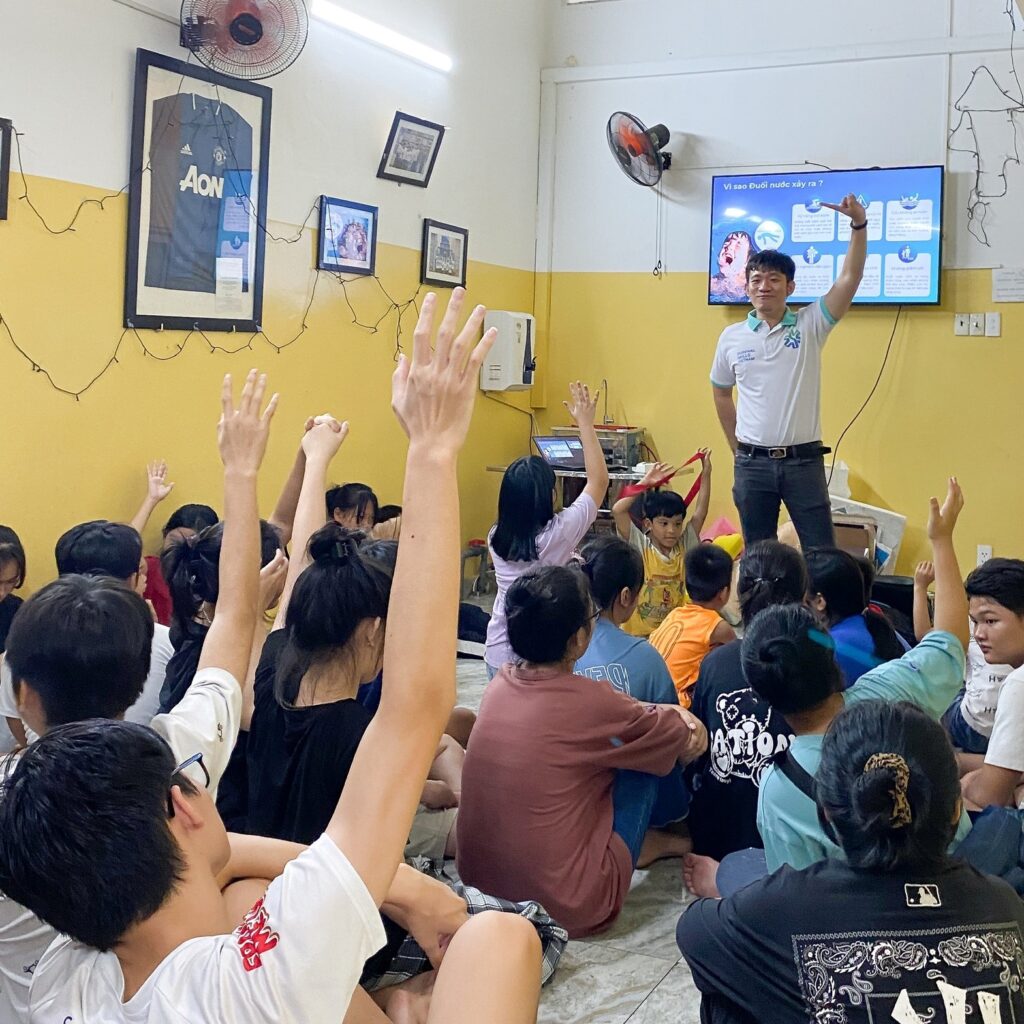
Drowning can happen to anyone, whether they have swimming experience or not, and can face the risk of drowning when exposed to water.
By raising awareness of safety, SSVN has made efforts to impart knowledge of drowning prevention to organizations that help children and the disadvantaged such as: Lucky House, Christina Noble Children’s Protection Association, Pacific Links Foundation, etc.
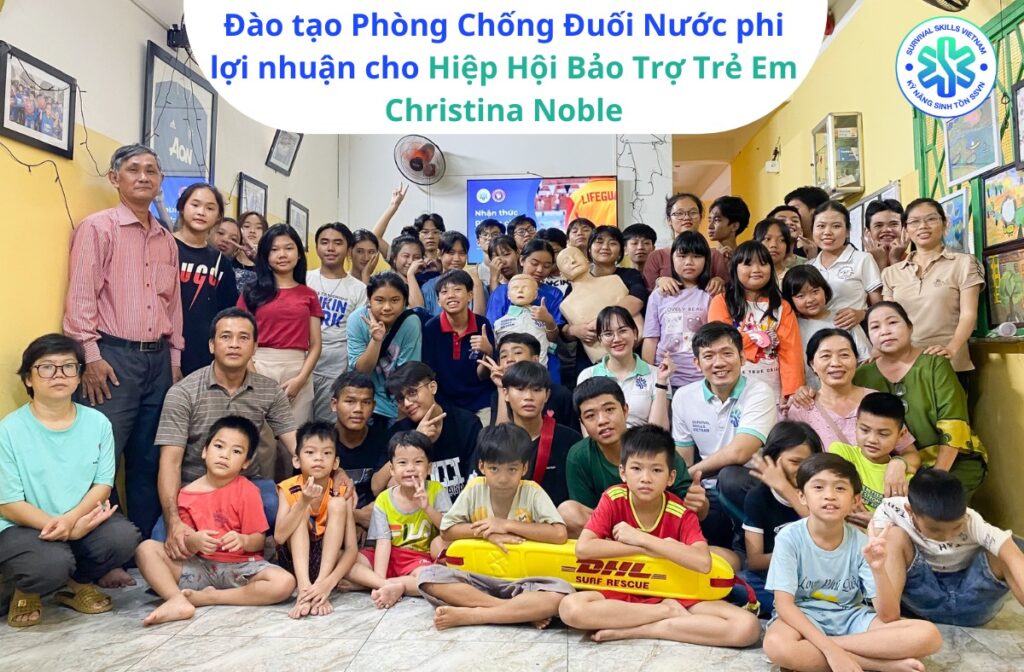
Drowning Prevention Training for Christina Noble Children’s Aid Society
Drowning Prevention Training for Lucky House Organization
During the lessons, joy filled the faces of the children and teachers. SSVN was very happy to spread first aid skills and received a lot of positive feedback from the organizations.
“Through this topic, I learned many new things for myself and gained more knowledge to protect myself and my family.”
“This topic is very useful. After this topic, I think that participants will apply useful skills and knowledge when encountering drowning incidents.”
“What did the speaker teach me about drowning? How to save a drowning person and preventive measures”
Sharing from campers of the 2023 Connections Summer Camp, Pacific Links Foundation
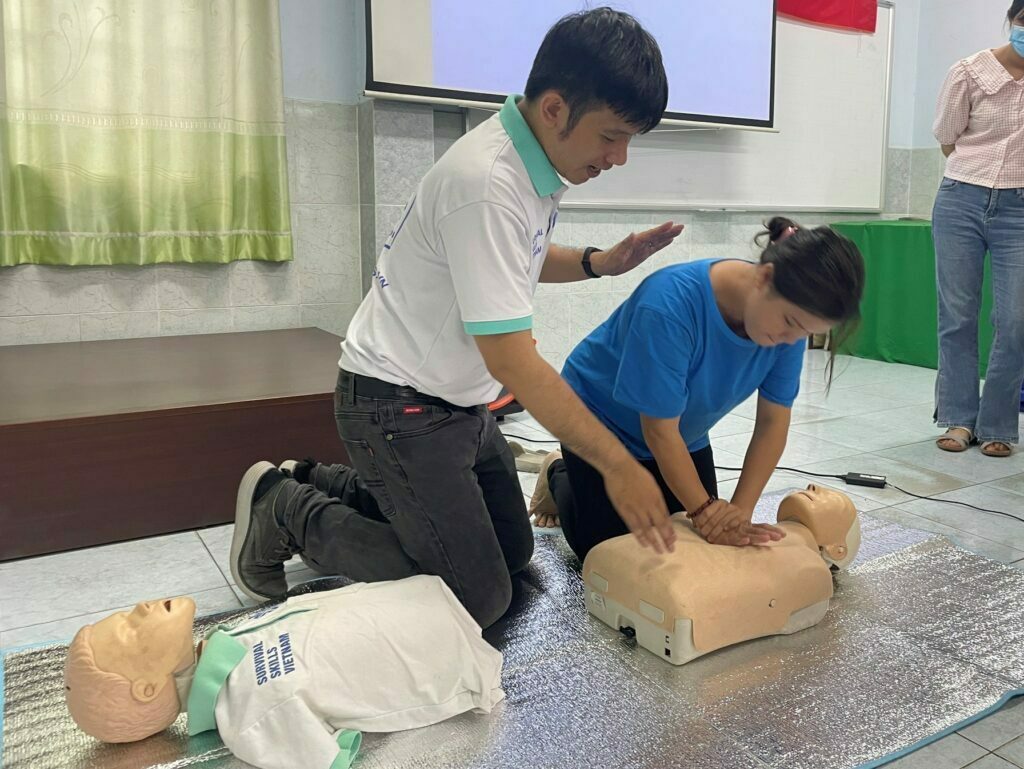
Lucky House students happily perform practice movements
SSVN hopes to spread more first aid skills to reduce the rate of unnecessary casualties as well as the current situation of drowning in Vietnam.
>> SEE MORE: SSVN OFFICIALLY ENTERED IN THE TOP 30 ENTERPRISES CREATING SOCIAL IMPACT