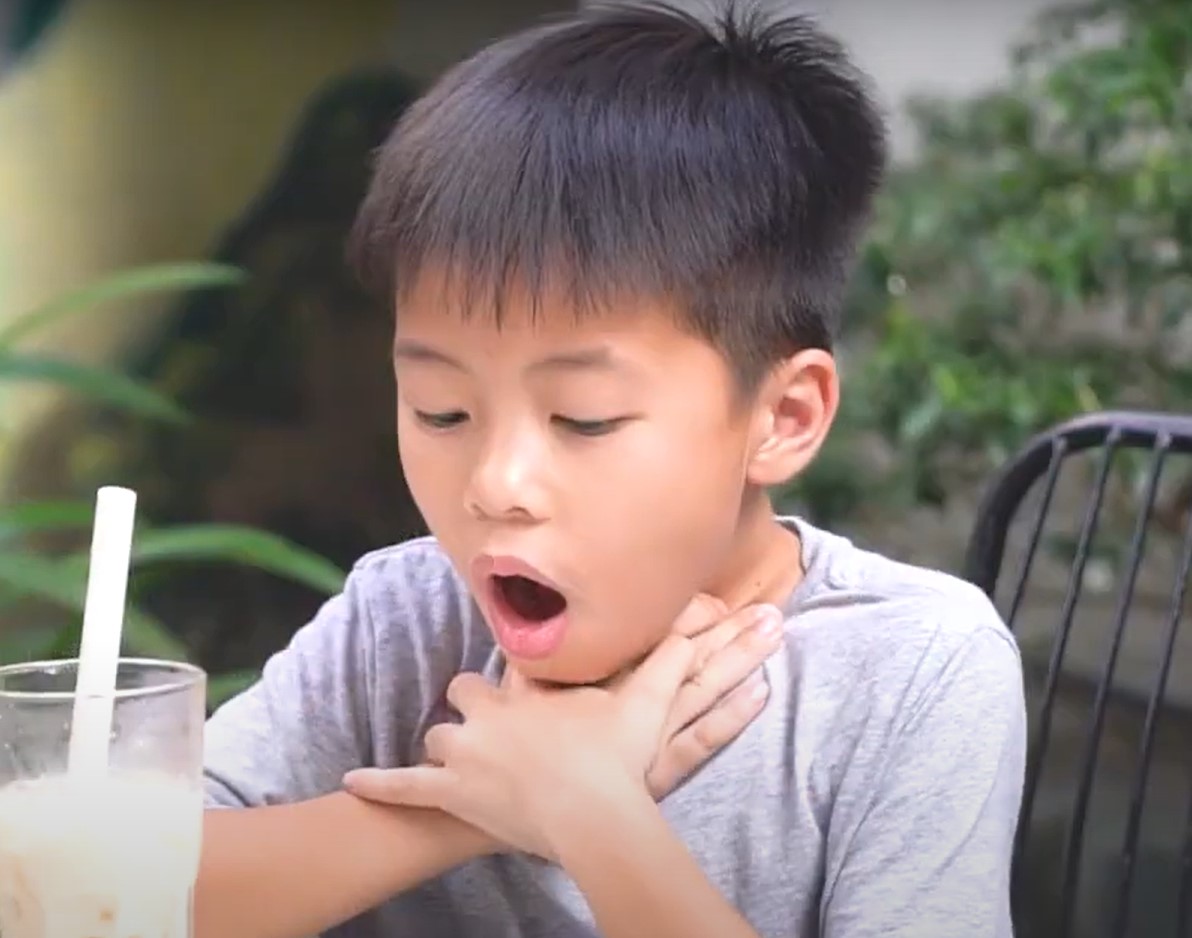
With the habit of putting objects in their hands into their mouths, many young children choke foreign objects in their airways. If not handled promptly, it will have serious consequences. Although it is a very common accident in young children, not many parents know proper first aid.
When a child, infant, or adult has a foreign object stuck in their airway, it is an emergency, especially if the person is unable to cough. This problem often occurs, especially in children who eat foods such as pearls in milk tea, jelly, fruits with small seeds such as longan or apples, eating, talking, joking, watching the phone, TV, etc. not focussing whilst eating. Or older people who have some problems related to chewing and swallowing are also likely to swallow foreign objects.
Treatments for food and foreign objects entering the airway
Normally, if a foreign object gets into the airway, the following developments will occur and you need to have appropriate first aid treatment
Encourage the victim to lean forward and continue to cough forcefully
When the victim coughs, it means that there is a foreign object in the airway, which causes the body to have a cough reflex to open the airway flap and push that object out. This is a good case, which means they can still cough. There is no need to hit their back and you don’t need to do anything. We just encourage them to lean forward and continue to cough vigorously.
If the victim cannot cough on their own
In worse cases, the victim cannot cough. If the airway flap is completely blocked, then it shows that they will want to cough but cannot make a sound and cannot create an effective cough. At this time, they may turn pale and can change from red to purple. We must give them first aid.
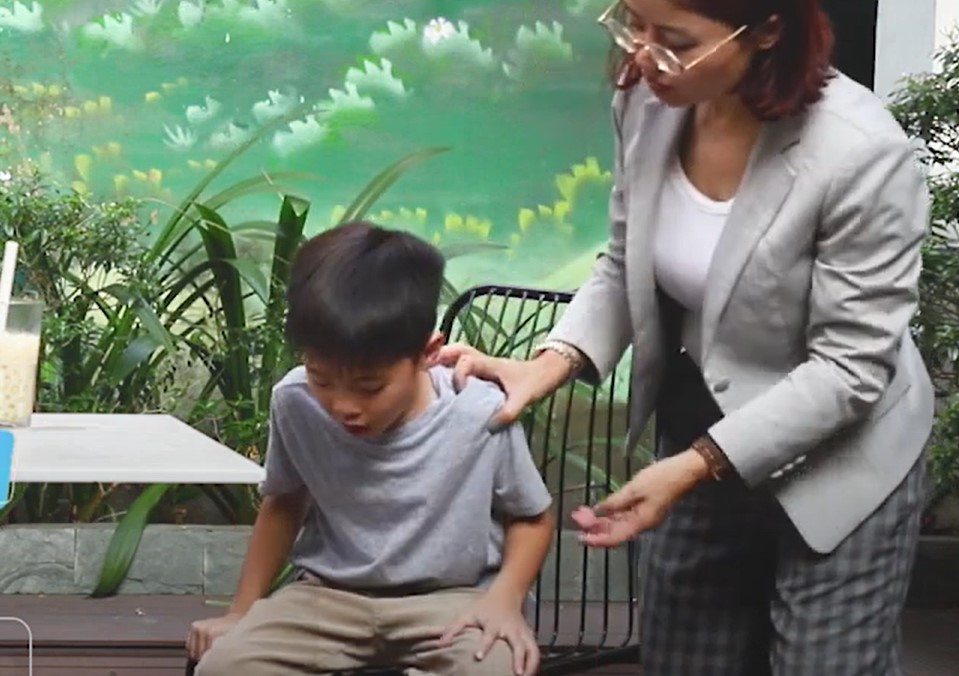
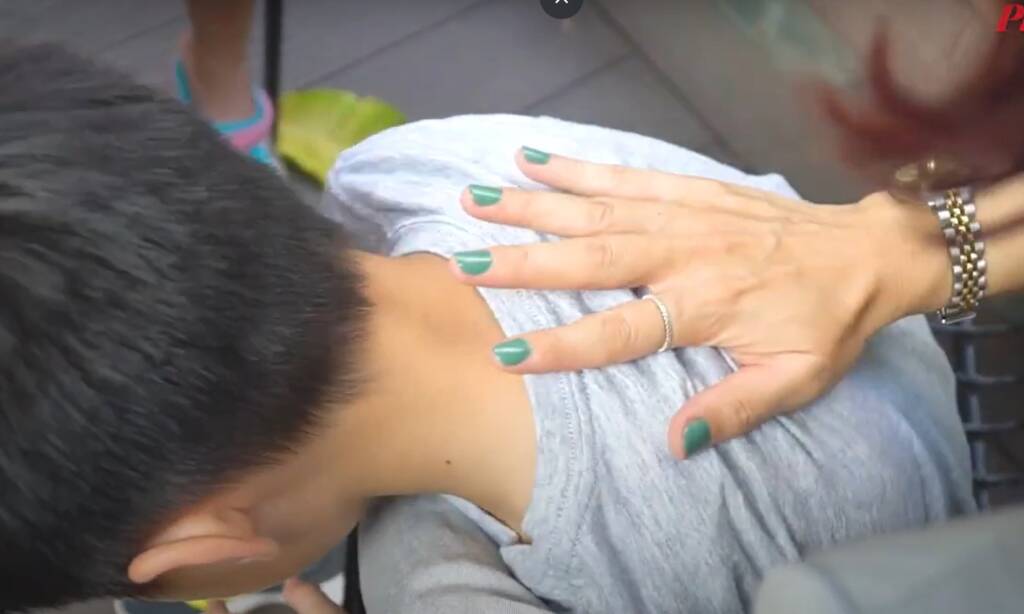
Use the heel of your hand to hit their back upwards in between the two shoulder blades. Hit 5 times
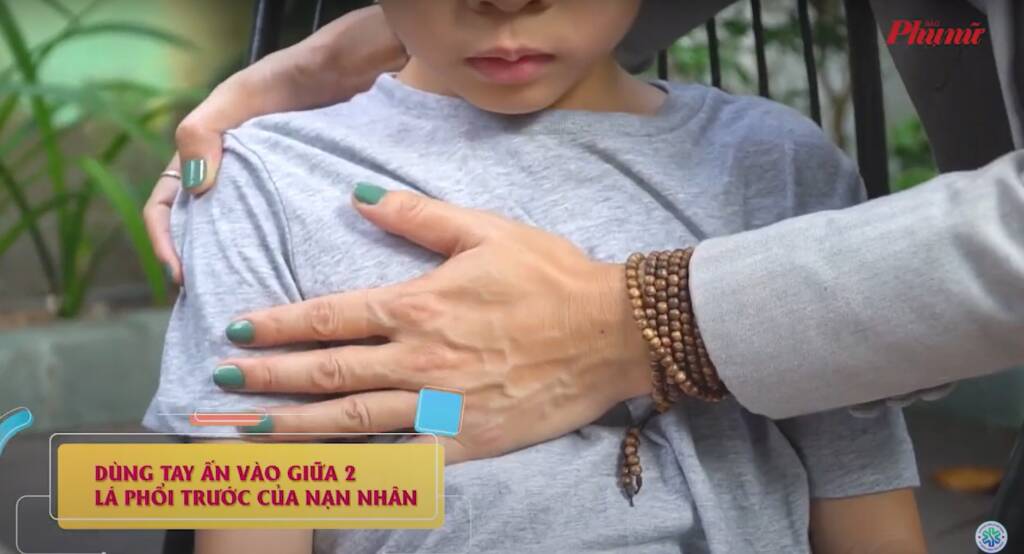
Press the front center of the chest 5 times
At this point, bend them forward and use the heel of your hand to hit their back in between their two shoulder blades 5 times so that the foreign object may move a little about 1-2 mm so that the victim can help themselves. If they still cannot cough, we alternately press the front center of the chest 5 times and hit the back 5 times until the victim can cough then we stop.
The victim could not cough on his own and gradually lost consciousness
In the case where we have hit the back and pressed the chest but the victim still cannot cough, after a while they will collapse. At this point, we will let them lie down on the floor and observe their progress.
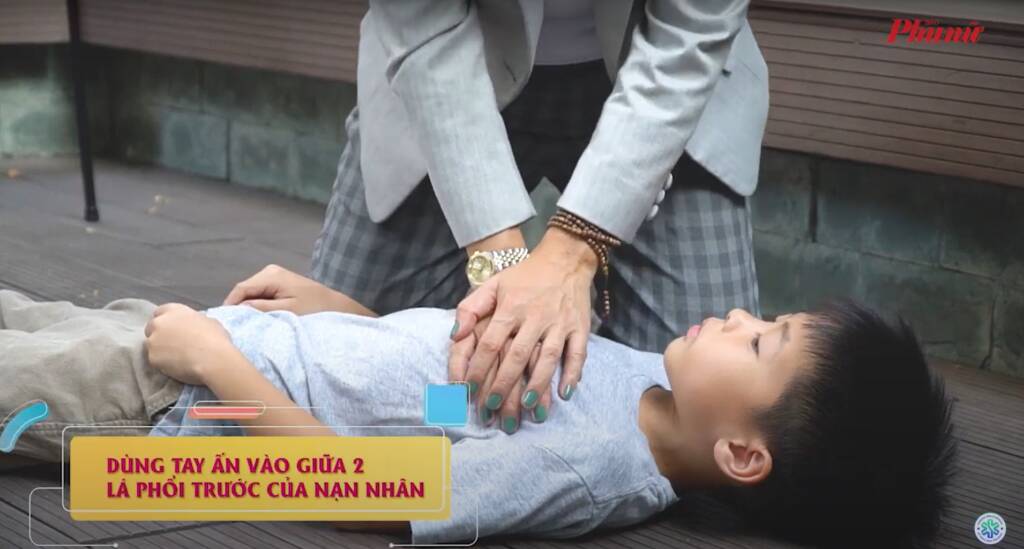
If their eyes are still open, we are pressing down on their chest, in the hope of helping the object move 1-2 mm so that the victim begins to have a cough reflex. If the victim coughs, we immediately let them lie on their side so they continue to cough the object out.
If the victim still cannot cough and becomes unconscious, we still let them lie flat on the floor and we start CPR. Place the heel of your hands between the chest to press down towards the heart, 2 beats every second until they can cough.
With this right way, we will usually be able to save people with airway object food.
Procedures for handling foreign objects in the airway WRONG
The first 4 minutes after a person has a choking defect is the golden time to minimize the level of damage to them. However, many parents still maintain incorrect first-aid habits, making their children’s condition more serious. Some first aid methods for foreign objects stuck in the airway are WRONG and absolutely should not be applied:
When the victim has a cough reflex, we often follow our instinct and immediately pat them on the back. This can be more harmful, especially when they are inhaling. When we punch them in the back, we can accidentally push a foreign object under the airway flap.
When the child opens his mouth, he sees an object in his throat and thinks he can pull it out with his finger. This is very dangerous, it can accidentally cause the foreign object to go deeper under the airway flap.
You can participate in online learning or practice first aid operations for people with food stuck in their airways at SSVN Survival Skills, detailed information and registration at: elearning.new.survivalskills.vn
When your friends, relatives, or even passersby suddenly faint like in the above situation, it is not a rare occurrence in our daily life. In this situation, not everyone is calm enough to handle the situation. The following are instructions on first aid steps to handle fainting and examples of mistakes that can negatively affect the victim.
Usually, fainting has many causes and the cause needs to be diagnosed by a doctor for long-term treatment. However, we need to give the victim first aid.
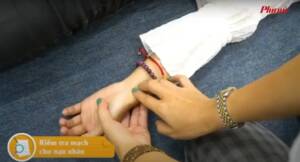
Firstly, if they faint on the table, two people should help them to lie flat so blood can more easily reach the brain. Once they lie flat, begin to take their pulse by using two fingers: the index finger and the middle finger. Position your two fingers on the wrist from the thumb down and press, checking to feel the pulse. See if the pulse rate is too fast or too slow.
In the case of a fast pulse rate
Our normal heart rate is about 60 to 90 beats per minute. If the pulse is too fast, this could be a life-threatening shock. We must immediately call an ambulance because it can take 15 – 20 minutes for an ambulance to arrive. We still let the victim lie down and observe their breathing.
Place the victim in a side-lying position, which is the recovery position.
If during that time, the victim is still unconscious, we must put them in the recovery position so that if any fluids from the body spill out, they will flow to the ground and not block the airway. If the victim wakes up immediately, we need to lean them over while waiting for the ambulance to arrive.
In some cases, it’s because of emotions or because they fasted last night, stayed up late, etc. which can cause temporary fainting, and we will see a slow pulse. At this point, you can let the victim lie down, usually after a while they will wake up and it is not necessary to call an ambulance. When they wake up, they may be tired, so we should take them to the hospital to check the cause of their condition.
If we let the victim lie down for about 1-2 minutes and they still do not wake up, then we should call an ambulance.
Common ways to support people who faint
Here are some common WRONG ways to help people who faint, please DO NOT apply:
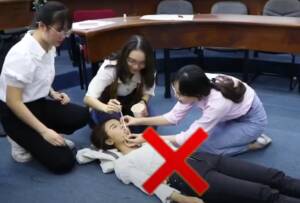
Give lemon juice or sugar water, etc. into the victim’s mouth. At this time, the victim is unconscious and cannot eat or drink. Things put into the mouth may not go into the esophagus but go into the airway (trachea) and cause the airway to close, causing airway obstruction. This is a serious condition for the victim.
Splashing water, slapping the face to wake up, pulling sideburns, pressing acupressure points: these methods do not help the victim.
You can participate in online learning or practice first aid operations for people who faint at SSVN Survival Skills, detailed information and registration at: elearning.new.survivalskills.vn
In modern life, it is not uncommon for children to be left in cars. This is an extremely dangerous situation that can lead to serious consequences if not handled promptly. Therefore, equipping children with escape skills when locked in a car is extremely necessary.
The danger of children being locked in cars is greater.
When children are locked in a car, the situation can become extremely dangerous and even deadly. One of the biggest dangers is the rapid increase in temperature inside the car. According to research, in hot conditions, the temperature inside a car can increase by more than 40 degrees Celsius higher than the outside temperature in just 10 minutes. Even when the outside temperature is 30 degrees Celsius, the temperature inside the car can reach 70 degrees Celsius.
This significant increase in temperature causes rapid dehydration, which is especially dangerous for children. Dehydration in children occurs 3 to 5 times faster than in adults. This means that the younger the child, the greater the risk of being locked in a car.
Initially, when children realize they are locked in a car, they may panic and try to find a way to get out. However, during this process, the amount of time children can remain alert and responsive will decrease rapidly due to dehydration and high temperatures. When the body can no longer take it, children will fall into a state of weakness and lose the ability to save themselves.
This danger comes not only from the heat, but also from the child’s mental panic. When panicked, children lose the ability to think logically and act effectively. As a result, the time to send a distress signal or find a way to free yourself will be shortened.
Promote the role of parents and adults
To prevent these unfortunate situations, special attention is needed from parents and adults. First of all, never leave children alone in a car, no matter how short the time. If you must leave your vehicle, make sure an adult stays behind to supervise.
Expert Tony Coffey guides children on how to escape if left in a car.
In addition, it is also necessary to propagate and educate the community about the risks of children being locked in cars, so that everyone is more aware and vigilant.
Skills children need to learn
1. Understanding Dangerous Situations
Children need to be educated about the dangerous situations that can occur when locked in a vehicle. This includes understanding that temperatures inside a vehicle can rise very quickly, leading to the risk of heat stroke and other serious health problems.
2. Using Items in the Car
One of the most important skills is knowing how to use the items available in the car to escape.
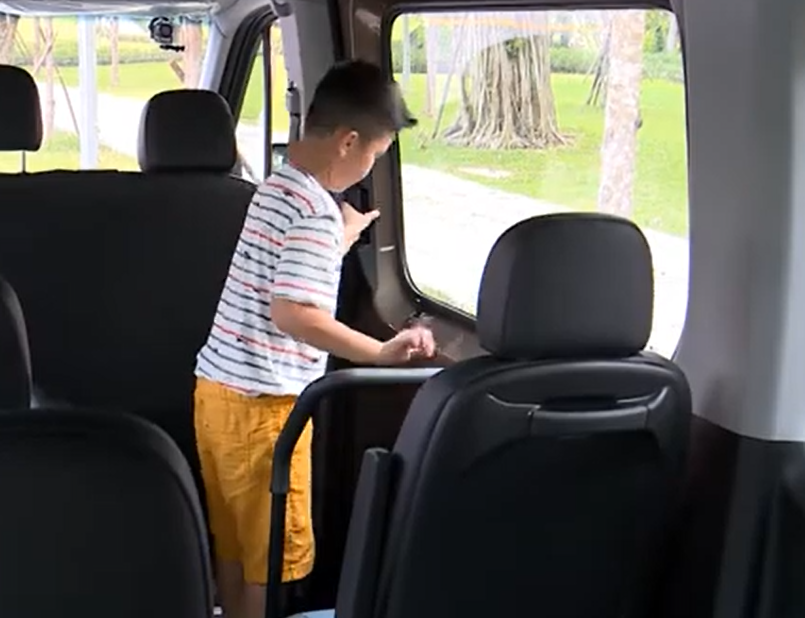
Open the safety latch on the car door.
Some cars and buses have emergency exits. Children should be instructed in how to identify and use these doors if necessary. This can help the child escape quickly and safely. Children can try to unlatch and open the door with the doorknob.
Use the escape hammer
Children can use an emergency car hammer to break the car windows and escape. Emergency hammers are commonly found on buses.
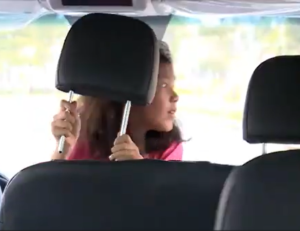
Remove the headrest from the seat and use the sharp end to break the car window.
If a hammer is not available, the child can find other hard objects in the car to do this. For example, remove the headrest of the car seat and use the sharp end to break the car window.
3. Attract Attention
Click to see attention.
In case they cannot escape on their own, children need to know how to attract the attention of those around them. This may include honking the car horn, banging on the windows, or screaming loudly so that bystanders can hear and come to help.
4. Early and Regular Education
Parents can organize practice sessions to simulate situations so that children can become more familiar and confident when facing real situations. Education on escape skills should begin early, as soon as children are old enough to understand and follow instructions. This not only helps children protect themselves, but also gives parents peace of mind knowing that their children are fully equipped with the necessary knowledge and skills. This is not only the responsibility of parents but also part of child safety education. Start today to ensure your child is safe in every situation.
SSVN Survival Skills cooperates with the Children’s Survival Program to guide parents and children on how to escape when left in a car.
SSVN Survival Skills is proud to offer a variety of specialized first aid and escape courses for parents and children. Equip yourself with practical knowledge to protect your family in any situation. Please refer to: http://elearning.new.survivalskills.vn/
Additionally, you can access and follow free first aid training resources at:
Purchase study materials or download free tutorials at the SSVN Store
If you have any questions or need further information, please do not hesitate to contact us. We are always ready to support you in keeping your children safe.
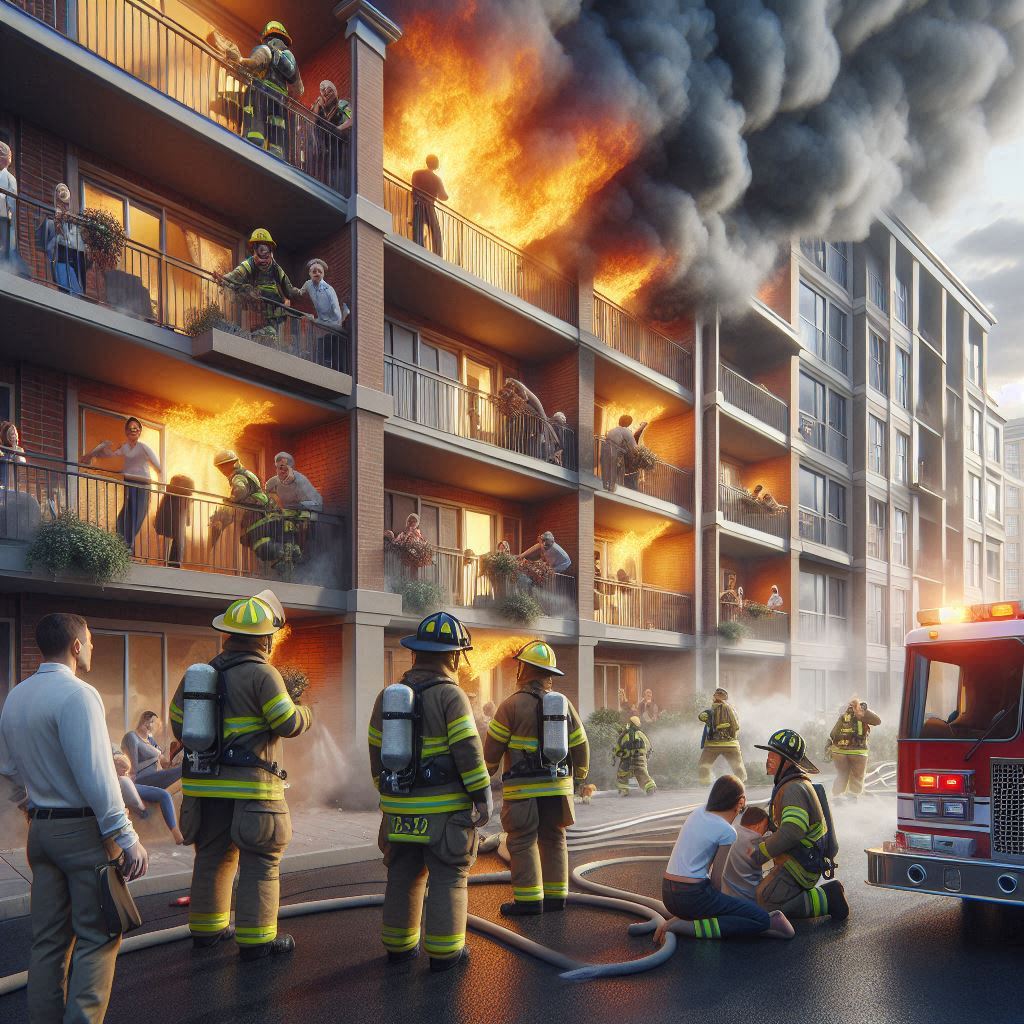
Prepare an escape plan, use a fire extinguisher, and check exits for safety. After every fire, there are many opinions circulating on social media about how to survive. However, not all recommendations are correct and safe.
Understanding Fire
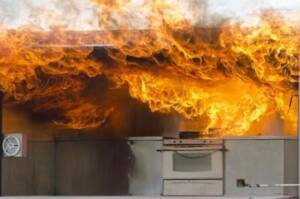
First of all, to survive a fire, you need to understand the nature of fire. Fire occurs when three elements are present: heat, oxygen, and fuel. To reduce the fire, you need to remove one of these three elements. For example, firefighters use water and foam to extinguish fires by removing oxygen and heat.
Expert Tony Coffey presents the mechanism of fire.
Below are the most basic and important steps for you and your family to survive a fire in a building.
Survive a Fire
1. Smoke Is The Main Hazard
Smoke is the cause of most deaths in fires. Smoke is very toxic and contains many chemicals, including carbon monoxide, which can make you unconscious after just a few breaths and can even kill you before the flames even touch you. So always keep an eye out for smoke when a fire starts.
2. Extinguish the Fire
However, don’t spend too much time trying to put out the fire as you have very little time before the entire building can be engulfed in flames. However, don’t spend too much time trying to put out the fire as you have very little time before the entire building can be engulfed in flames.
3. Move close to the floor
Kneel low to the floor, make sure you stay below the smoke and move away from the building.
If you have time, use a wet cloth or towel and place it over your mouth and nose to filter out the smoke. This will not protect you from CO but will make it easier to breathe in smoky environments.
If you must open a door to escape, you should check the temperature of the door handle with the back of your hand. If the door or door handle is hot, never open the door.
4. Close the Door and Block the Gap
If you cannot escape immediately, close the door and block the spaces below and around the door with wet towels or blankets to prevent smoke from entering.
Always be ready before a fire breaks out
1. Make an escape plan today
Make sure you and your family know the building’s emergency exits. Each room should have at least two exits if possible. Practice escaping in the dark to prepare for a real emergency.
Don’t leave it until tomorrow. Make an escape plan with your family today. When a fire starts, it’s not time to plan.
Experts around the world agree that if we take these measures, it will maximize our chances of survival in a building fire. Make sure you and your family know the plan so you can stay safe in the event of a fire.
2. Check the Exit
Make sure that doors leading to emergency exits can actually be opened and are not blocked or obstructed. Fire doors should close automatically to prevent smoke from spreading.
In an emergency situation such as a fire, always stay calm, find a safe escape route and follow the instructions of the fire department. Remember that preparation and knowledge are the keys to protecting ourselves and those around us from the dangers of fire.
Expert Tony Coffey provides detailed instructions on how to escape from a fire as well as first aid for other fire-related health problems such as burns, cardiac arrest, respiratory arrest, etc. at SSVN Survival Skills’ first aid courses. Please refer to free courses and in-depth learning content at: https://elearning.new.survivalskills.vn/
Please share this article so everyone knows and is better prepared for emergencies. Your safety and that of your family comes first!
Drowning is one of the leading causes of death in children, especially in developing countries like Vietnam. Every year, thousands of children lose their lives to drowning accidents, leaving behind endless pain for their families and communities.
In Vietnam, statistics from the Department of Environmental Management show that each year on average more than 370,000 children suffer from accidents and injuries. Among the causes of death due to injury in children, drowning is the leading cause with 3,500 children and adolescents aged 0-19 dying each year, equivalent to about 10 children dying each day. Among age groups, children aged 0-4 years old have the highest drowning death rate at about 36%, the 15-19 age group only accounts for about 16%; 5-9 years old accounts for 25%, the 10-14 age group accounts for a rate almost equivalent to the 5-9 age group (26%).
Despite the devastating consequences, drowning occurs very quickly. The victim has only 1 minute from the time of symptoms until he sinks into the water. From the time the victim stops breathing, it only takes about 3 minutes for the brain to begin to be damaged and within 8 minutes the victim can die if not rescued and given first aid promptly. However, detecting a drowning person is very difficult if you do not pay close attention due to the following characteristics:
Drowning usually happens very quickly, the victim can sink below the water’s surface within about 1 minute.
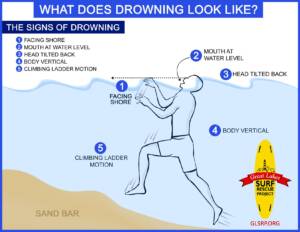
Drowning victims often struggle in a ‘climbing’ position that can easily be confused with playing or swimming.
The victim cannot call for help because he is trying to hold his breath or the water enters the trachea.
Why is drowning so fast and dangerous? Let’s learn about how drowning happens to have the right and timely prevention and rescue methods.
1. The victim panicked and struggled.
When drowning, the victim will panic and struggle in a ‘ladder climbing’ position. With characteristics such as: ‘Climbing’ in an upright position, face towards the shore, head tilted back trying to keep nose and mouth above water.
However, if people on the shore do not pay close attention, they will mistake the victim for swimming or ‘treading water’ because the actions are quite similar. Even if a person is swimming underwater, it is difficult for them to know that the person is drowning because they cannot see the ‘ladder climbing’ posture struggling underwater and it is difficult to see the victim because at this time only the victim’s mouth and nose are above the water.
2. Inhale water and liquid into the trachea
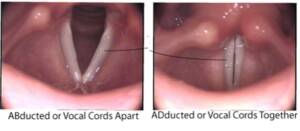
Even though the victim tries to hold his breath, water still enters the trachea (airway). Water can enter the trachea directly or the victim swallows water and then vomits the liquid, which gets into the trachea. When water or fluid enters the trachea, the epiglottis (in the trachea in the neck) reflexively closes to prevent water from entering the lungs. The victim cannot open the epiglottis himself. Therefore at this point the victim cannot call for help, contrary to the common misconception that the victim will call for help.
Epiglottis opening (right side) and closing (left side)
At the same time, the victim cannot breathe on his own. This leads to a lack of oxygen to the brain, and after a short period of time, about 3 minutes after the victim stops breathing, brain damage will begin. Therefore, it is necessary to bring the victim to shore and give first aid as soon as possible. In this case, perform Cardiopulmonary Resuscitation (CPR) to bring oxygen from the blood to the brain to sustain life until medical help arrives.
Be careful not to lift the drowning person up and shake the water out because this action does not help the heart supply oxygen to the brain, and also wastes the victim’s ‘golden time’.
3. Breath-holding threshold and breathing reflex
The breathing reflex occurs due to the concentration of CO2 in the blood. When CO2 levels rise to the Breath Hold Threshold, the Breathing Reflex occurs. The victim cannot hold his breath of his own accord At this time some water will enter the lungs
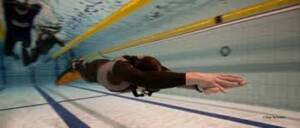
Often occurs at swimming pools or while participating in water activities For example, children compete in holding their breath underwater or swimming the longest on one breath. The lack of oxygen makes the swimmer feel excited, not uncomfortable, so he holds his breath until he passes out. Occurs without warning. At the same time, when this phenomenon occurs, the victim has used up almost all the oxygen in the blood, so he will die faster than normal drowning.
4. Water in the lungs- Dry Drowning
This is a phenomenon in which the victim inhales water into the lungs, preventing the lungs from supplying oxygen to the blood, causing pulmonary edema, respiratory failure leading to death, usually occurring within 1 – 72 hours after contact with water or choking on water. Drowning on land is rare but still happens if the symptoms are not recognized promptly. Symptoms of dry drowning include fatigue, difficulty breathing, irritability, coughing, lack of awareness, etc. If you see the above signs or are not sure if the signs are correct, you need to take the victim immediately to the nearest medical facility for examination, monitoring and intervention.
Drowning is not always fatal, however, if the victim is saved, the consequences of drowning can still seriously affect health. People who drown often suffer from lung complications such as acute respiratory distress syndrome,pneumonia… due to lack of oxygen in the body. Another complication of drowning that can have serious consequences is brain damage or physical damage… In particular, people who drown can also fall into a permanent vegetative state.
Learning first aid is very important for yourself, your family and the community. However, it does not substitute for practice training under guidance of experts to make sure you handle real emergency with confidence and correct practices.