Swimming is one of the best sports activities, not only helping to improve physical health but also bringing mental relaxation. However, like any other sport, swimming also poses risks of illness and injury if not done properly. In this article, we will learn effective preventive measures to protect your health when swimming to fully enjoy the fun of this activity.
Prevent illness when swimming
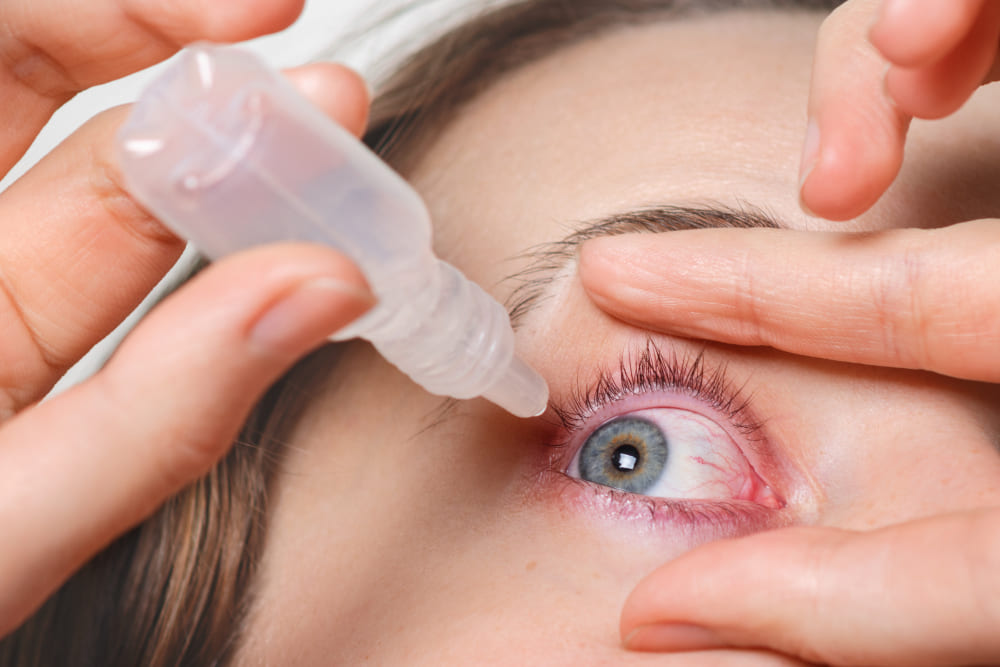
Eye membrane inflammation
Inflammation of the eye membranes (acute eye membrane inflammation/pink eye) is easy to get when learning to swim because the eye membranes are constantly exposed to water. To prevent it, people with pink eye should be banned from going to the swimming pool to avoid infection. When swimming, you should wear swimming goggles so that the water does not continuously come into contact with your eyes; After swimming, apply medication or diluted clean saline.
Ear infections
While swimming, water can easily get into the ears, leading to inflammation of the outer or middle ear. If water gets into your ear, use your elbow to press firmly into the ear canal and then hop on one foot to let the water flow out or use a cotton swab to absorb all the water. Do not use your fingers or hard objects to clean the ear canal as it will easily damage the skin of the canal ear, perforating the eardrum. Do not go into the water when you have an ear infection. You can use earplugs when swimming.
Inflammation of the nose and throat
Due to exposure to dirty water and fatigue after exercise, bacteria can easily penetrate the mucous membranes of the nose and throat. People who are new to swimming have poor breathing techniques, so they easily choke on water. Water penetrates deep into the nose and throat, causing inflammation. Initially, the bridge of the nose is sore, the nasal discharge is heavy or thick, sometimes there is a headache, leading to fever and cough. Therefore, it is necessary to practice breathing properly to avoid choking on water.
If water gets into the nose or throat, blow vigorously to get all the water out. Avoid squeezing the nose too hard to get water into the middle ear, causing an ear infection. After swimming, you must use nasal drops and salt water rinse. If you have inflammation, in addition to taking medicine, you should use a warm washcloth to cover your nose to increase circulation to the nose and heal quickly.
Prevent injuries when swimming
Swimming front crawl and butterfly swimming often cause shoulder injuries, while breaststroke can easily cause knee injuries.
Shoulder joint damage
Shoulder injury occurs when: Not warming up the shoulder joint carefully, performing movements using great pressure. Using a water fan while swimming is too tiring, but exerting too much effort can easily lead to shoulder injury. After an injury, it is necessary to apply heat and gently massage the shoulder. If your ligaments are severely stretched, you need to treat them completely before you can continue exercising.
Knee joint damage
When swimming breaststroke, using inappropriate leg strength or working too hard (swimming too fast, too long) will easily injure the knee joint. Before swimming, you need to warm up your shoulder, knee, and foot joints thoroughly. When practicing breaststroke, you need to alternate between hand movements and foot movements. You should not practice one movement continuously for a long time to avoid local fatigue, which can easily cause injury.
Cold infection
Cold infection reduces resistance, making you susceptible to fever and infection. When the swimming water temperature is much lower than body temperature (autumn/summer rain), children's bodies radiate heat faster than adults, and the fat layer under the skin is thin, making them susceptible to cold.
Signs of cold: First is shivering, mouth fluttering, and lips may turn purple. If swimming is continued, it would be dangerous. If your face is pale, you can use petroleum jelly to rub your navel, palms, feet and nostrils. Do not lie in one place, but sit or walk gently in a sheltered place.
Note: When teaching and learning to swim in ponds, lakes, rivers, and oceans, you need to carefully check the water quality and ensure a thorough warm-up, correct swimming technique, and prevent cold exposure more promptly. If your child suffers from certain diseases such as bronchial asthma, chronic respiratory disease, allergic rhinitis, sinusitis, allergic inflammation, etc., he or she should see a doctor for advice. After that, the parents will decide about letting your child learn to swim.
In addition, children, teachers and parents also need to pay special attention to safety conditions, as well as be equipped with drowning prevention skills.
In everyday life, we cannot avoid unexpected situations that may happen to ourselves or those around us. From minor injuries to serious accidents, mastering the basics of first aid is an extremely important skill. That's why in developed countries, children can start learning to survive when falling into water from 6 months old. From the moment they enter elementary school, they begin to learn basic safety skills and first aid. By the time they complete high school, almost all students have learned first aid. Then until you go to work, even if you don't work in the medical field, many professions require you to learn first aid every year for many reasons as follows.
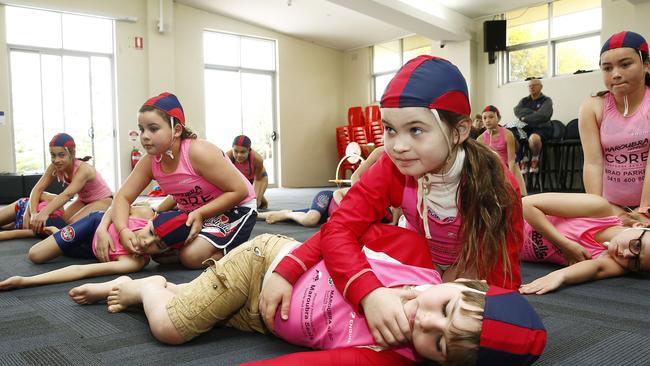
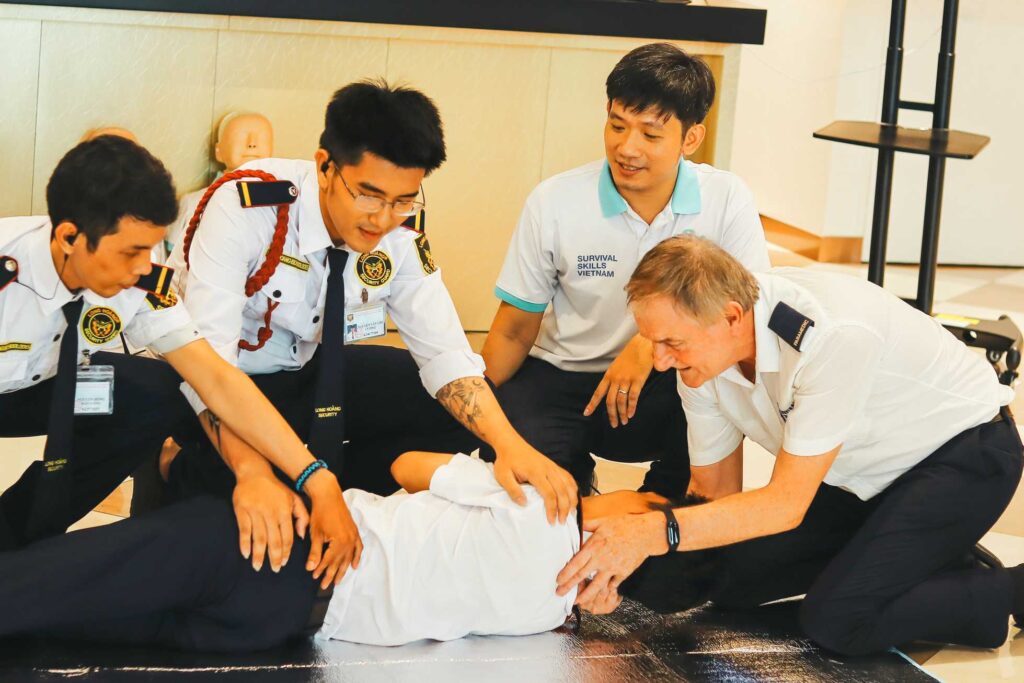
Children in Australia learn how to support an unconscious person (recovery position) through Surf Life Saving's Nippers program
First aid is very easy to perform. Anyone can do it, even if you're not a medical professional.
One of the reasons many people feel hesitant about learning first aid is that they think it is too complicated and difficult to perform, and only doctors know how to do it. However, this is completely wrong. In fact, first aid is very easy to learn and apply.
First, basic first aid steps are often simple and easy to remember. First aid techniques according to international standard programs are designed so that anyone can perform them, no need to be medical staff. You can refer to some of the following first aid instructional videos to see that with just a little time and attention, anyone can become a first aid person.
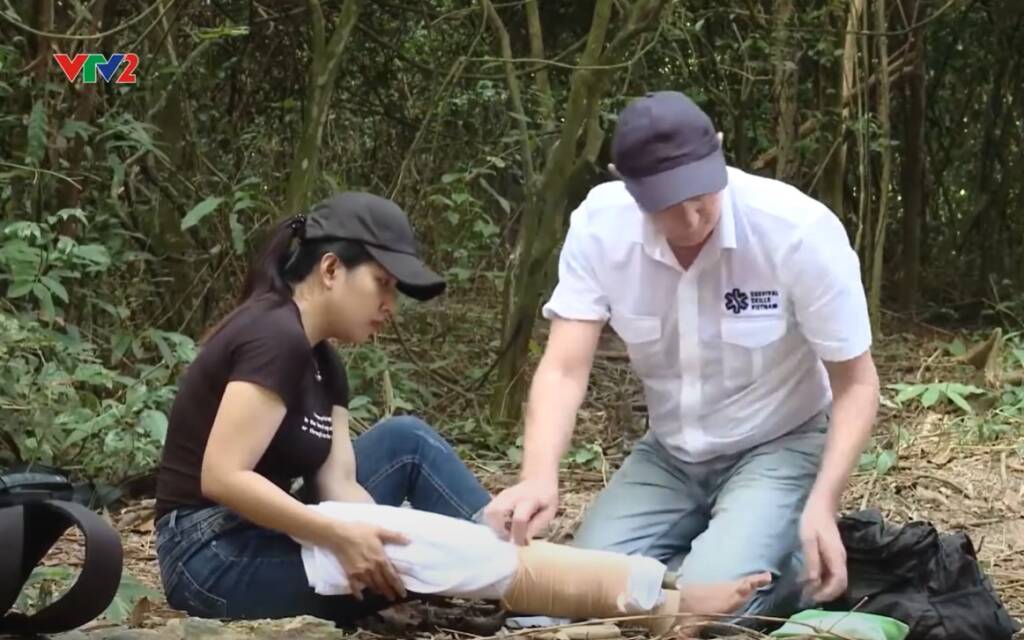
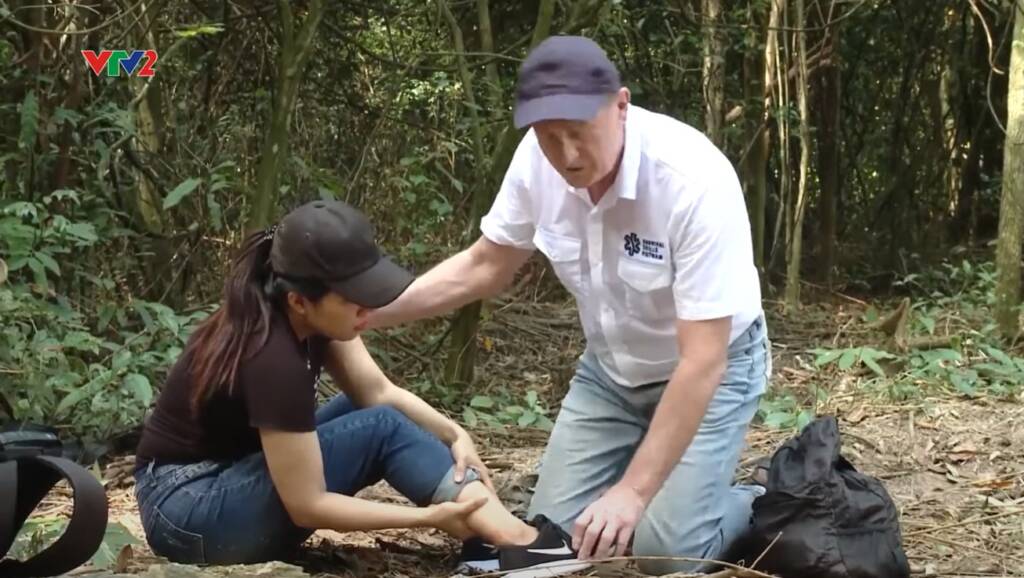
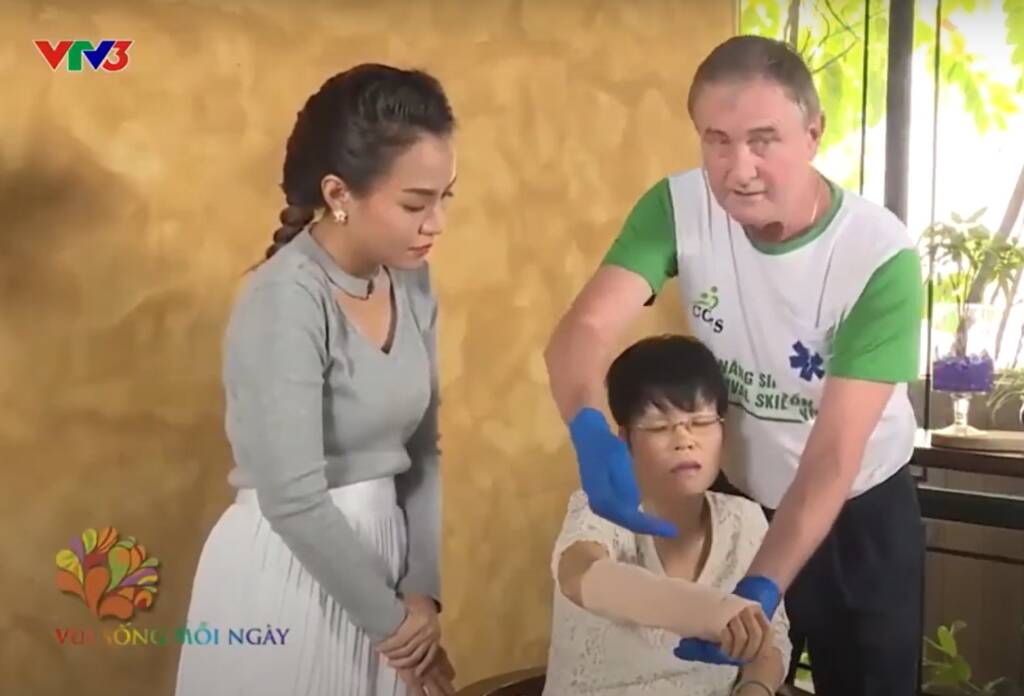
Expert Tony Coffey instructs First Aid for snake bites for VTV2 television program
Second, there are many first aid courses to choose from. It only takes you 8 hours with the Basic First Aid course to know how to handle most common accidents in life. First Aid skills need to be practiced in class so that you can be 'hand-held' by teachers and experts to ensure your operations are correct. However, if you do not have the opportunity to attend a practice class, you can join the First Aid 4.0 Program to learn theory immediately and practice when you can arrange time. Or you can study with colleagues in corporate training packages.
Even if you don't know how to treat it, you can help the victim
We call it FIRST AID because it is the first thing to do when an incident occurs before medical staff can get to the scene. When a victim has cardiac or respiratory arrest, you only have 4 - 8 minutes of 'golden time' to save the victim. However, it is difficult for ambulances and medical forces to be present at the scene or for you to be able to take the victim to the hospital in time during this 'golden time'. When taken to the hospital, the doctor will treat the victim, however, no matter how good the doctor or hospital is, they cannot treat successfully if the victim has died or the condition has become worse than before. when taken to the hospital.
Proper first aid will help:
Preserve the victim's life
Prevent the victim's problems from becoming more serious
Helps recover faster after treatment
Thanks to that, doctors can treat victims more effectively. Watch the video below about the case of Mr. Nghia Pham. Immediately after learning First Aid at SSVN Survival Skills, he helped victims after being hit by a container truck on the highway. The victim's condition after 1 year later.
Increase confidence and reduce panic when an emergency occurs
Learning first aid helps you prepare for unexpected situations. Emergency medical situations can happen anywhere, at home, at school, at work or while traveling. When learning first aid using the international method, you will practice and become familiar with hypothetical situations that often occur in reality. For studying in a private group at home or at a business, you will get acquainted with situations that happen right at your own place of work and living to practice how to coordinate smoothly with each other, using the techniques available tools etc. when an incident occurs. This way you can stay calm and make more informed decisions to protect the safety of the victim and yourself.
In addition, in Vietnam, because not many people know first aid, incident scenes are often chaotic. In many cases, people around want to help but are afraid to get close. Some other people try to help the victims. can help in the wrong way, making the condition more serious. Staying calm, performing first aid and guiding the crowd to properly coordinate and support the victim will be very helpful to the victim.
Build a safer lifestyle
Learning first aid helps you have a greater awareness of the risks of accidents and injuries in daily living environments and the consequences they can cause. At the same time, you also learn safety prevention methods to help your family and workplace become safer.
Nếu gia đình bạn có trẻ nhỏ, Kỹ Năng Sinh Tồn SSVN tặng bạn khóa học Nhận diện mối nguy hiểm và phòng tránh thương tích để bạn có biết được những rủi ro có thể xảy ra với trẻ nhỏ đồng thời dạy các bé các kỹ năng cần thiết.
When you know how to provide first aid, you not only help protect your own health and life but also that of your family and the surrounding community. The feeling of confidence and peace of mind that comes from knowing that you can act when necessary is one of the immeasurable benefits. Learning first aid is really easy and necessary. Don't let unnecessary worries stop you from mastering this important skill. Start with the simplest steps, and you will see that first aid is not only easy to perform but also brings great benefits in everyday life.
In a competitive labor market, concern for employee health is becoming one of the top priorities for businesses to attract and retain workers. Everyone is at risk of health problems that can happen anywhere: at work, at home, in society. Therefore, when a business organizes First Aid skills training for employees, it not only shows concern for the health of workers and their families. Companies that are carefully prepared for emergency situations will build trust among employees and customers.
First aid skills are the knowledge and skills necessary to intervene in health-related emergencies before medical personnel arrive promptly. These situations may include workplace accidents at the factory or sudden illnesses such as stroke, cardiac arrest, etc. in the office. Having many employees in the company equipped with this skill not only helps them be confident and proactive when facing emergencies but also creates a sense of peace of mind when working for everyone and makes them feel more attached to their work.
Health incidents at work can happen at any time without warning
Thanks to those great benefits, up to now, more than 150 businesses in many different fields have trusted and chosen SSVN Survival Skills as their partner to provide regular training services. See more: feedback from students from many different businesses.
Understand the goals of first aid
We call it FIRST AID because it is the first thing to do when an incident occurs before medical staff can get to the scene. When a victim has cardiac or respiratory arrest, you only have 4 - 8 minutes of 'golden time' to save the victim. However, it is difficult for ambulances and medical forces to be present at the scene or for you to be able to take the victim to the hospital in time during this 'golden time'. When taken to the hospital, the doctor will treat the victim, however, no matter how good the doctor or hospital is, they cannot treat successfully if the victim has died or the condition has become worse than before. when taken to the hospital.
Proper first aid will help:
Preserve the victim's life
Prevent the victim's problems from becoming more serious
Giúp phục hồi nhanh hơn sau quá trình điều trị
Thanks to that, doctors can treat victims more effectively. Good first aid will help your colleagues reduce pain, recover quickly and return to work and normal life soon.
Benefits of organizing first aid training at businesses
Get familiar with handling situations in the office environment
One of the key benefits of conducting first aid training in-house is the ability to tailor training to the unique potential hazards of your own workplace. Different workplaces have different risks – for example, a construction site has a different set of potential injuries than an office environment.
Students find ways to handle problems using situations in their own work environment
By customizing training programs to your business' unique conditions, employees can be aware of the specific risks they may face and adapt to existing conditions to handle them appropriately. For example: knowing what items are available that can be used immediately for first aid, the location of the nearest emergency exit, how to move the victim through the aisles, etc. This helps your staff not only master general first aid principles, but also apply them effectively in every workplace.
Nurture collective responsibility
First aid training is also a foundational element in fostering a culture that promotes safety and responsibility in the workplace. A business providing employees with first aid training shows that the organization values the health of its employees and is committed to providing a safe work environment. In turn, this will encourage employees to feel more responsible for their own safety and that of their colleagues. Workers with first aid training are more likely to detect and report hazards, follow safety procedures, and engage in preventative measures, thereby reducing the likelihood of incidents occurring. what a pity.
Psychological benefits
Workplace health incidents can have a severe psychological impact, not only on the victims but also on their co-workers. Witnessing a serious injury or health incidents such as stroke or cardiac arrest can panic people and leave lasting psychological impacts. However, having people who know how to provide first aid present and handle the situation calmly and effectively will greatly reduce the stress and anxiety involved. Knowing that there are colleagues around who are always ready to handle emergencies contributes to a sense of safety and peace of mind in the workplace.
Team building activities strengthens teamwork
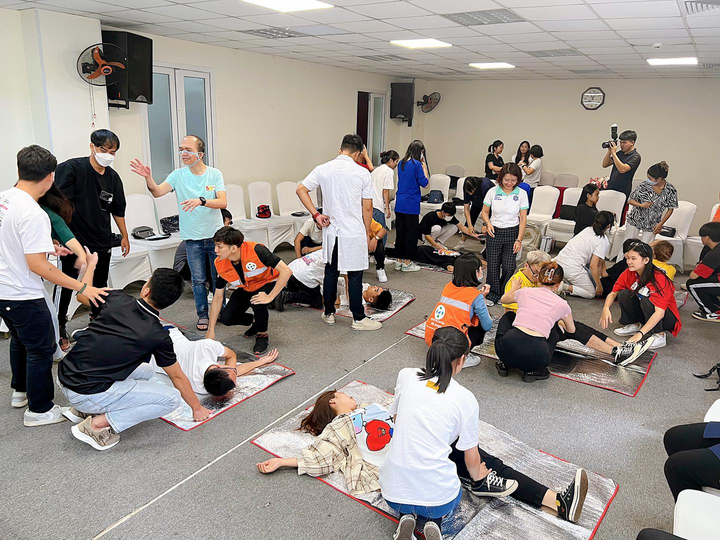
SSVN's classes are always full of laughter.
Organizing a first aid training course as a team building activity not only brings benefits in terms of skills, but also contributes to building cohesion and team spirit. Unlike the old methods that are theoretical and boring, SSVN's international standard First Aid Program is designed with many group game activities that not only help students learn quickly and remember operations for a long time but also full of energy to participate in the course with interest. During classes, students will be divided into small groups and perform practical exercises, from handling simulated situations to applying first aid techniques. Thereby, members will clearly understand their roles in the team, learn how to work in groups and develop effective communication skills.
Show concern for the employee's family
First aid skills are not only applicable when an occupational accident occurs but can also be applied in each worker's own family. Health incidents for families are major physical, mental and financial losses for each employee. Preventing and mitigating preventable injuries not only helps your team feel secure in their work and improves working morale, but also shows the company's support and sympathy, helping them contribute to their work. devote yourself to the company. Furthermore, job satisfaction also reduces turnover, helping companies retain talented employees.
Showing concern for the safety and health of employees in a practical way not only helps attract talent but also creates a competitive advantage, especially in the context of an increasingly fierce labor market. A business that is open, humane and cares about people will certainly easily build prestige and trust from society.
According to the World Health Organization (WHO), about 80,000 to 140,000 people die each year from snake bites, an average of 200 people die every day. In Vietnam alone, 30,000 people are bitten by poisonous snakes each year and the trend is increasing. People most likely to be bitten by snakes are people who work in the garden or the forest and often come into contact with trees and bushes.
If not handled promptly and properly, the victim is likely to experience dangerous complications. The incision and sucking of blood and venom that we often see in movies or people’s experiences only makes the wound more serious. Therefore, proper first aid skills for snake bites, keeping the bitten position still and taking the victim to the hospital immediately are very important.
Types of poisonous snakes in Vietnam
Vietnam is home to nearly 200 species of snakes, of which 53 species of venomous snakes mainly belong to the two families of Green snakes and Tiger snakes. Many snake species have venom that can kill humans after only a short time. Therefore, determining which bite is caused by a poisonous snake is extremely important. This will help the victim have the correct, safe and timely treatment.
Vietnam has many different types of snakes in mountainous, rural and coastal areas. Not all snakes are venomous, but some venomous snakes kill people every year. Different snake species have venom that causes different reactions in each victim’s body.
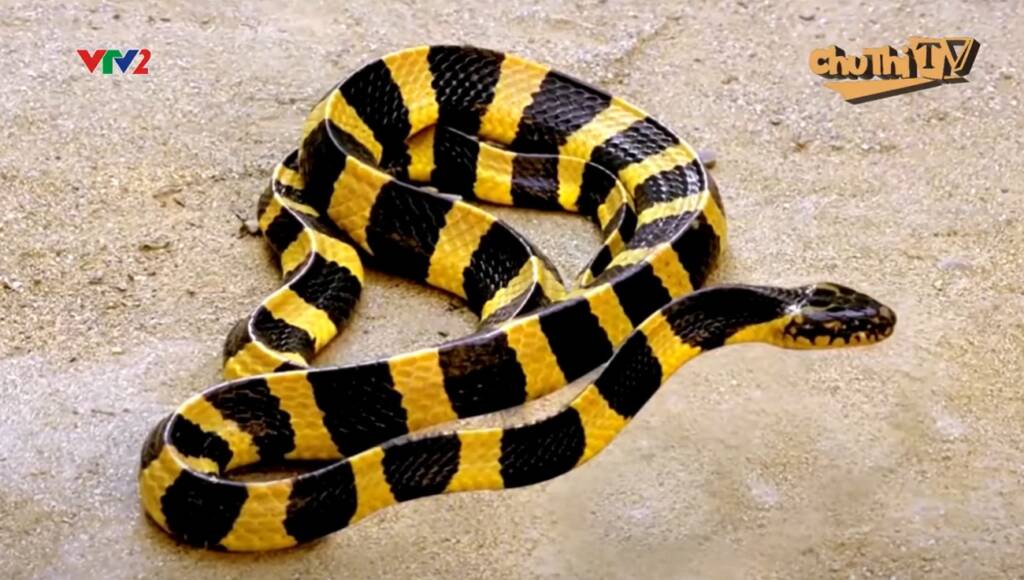
Shallow scorpion
Snake garter
For example, snakes with black and yellow rings, and snakes with black, white, and gray rings are often found in Vietnam and can cause shortness of breath and blurred vision, and after these signs appear, the situation will change. The victim quickly deteriorated.
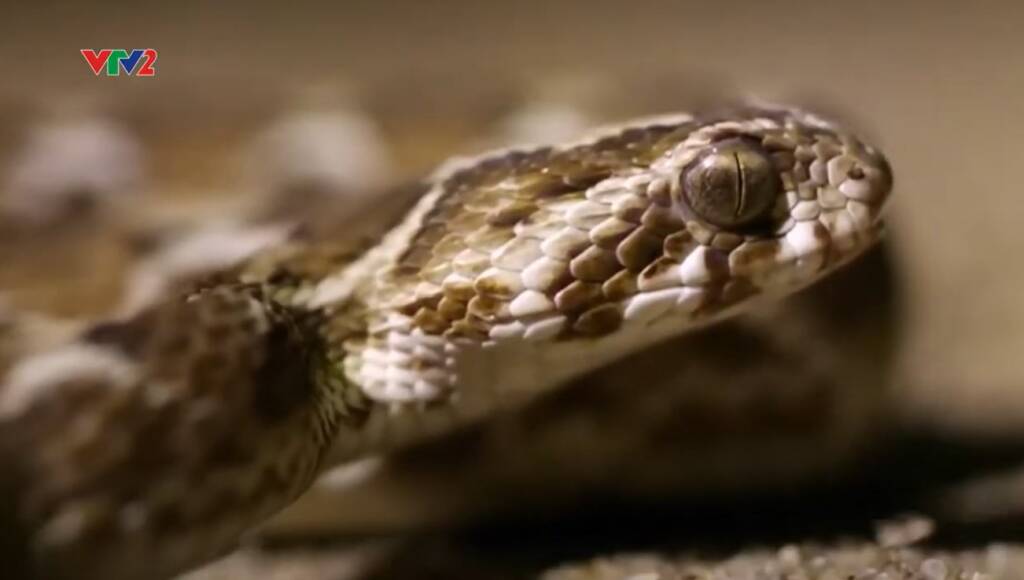
Viper Snake
Other snake species such as Vipers are quite common in the jungles of Vietnam. Their venom often causes nausea, vomiting and eventually leads to kidney failure.
If you come across a snake, it’s best to stay away from it. Snakes don’t want to attack you, if you walk away they will leave, but if you step on or are bitten by a snake, you cannot know whether the snake will spit venom at you or not. You will need proper first aid and then quickly go to the hospital.
How to treat common SAI snake bites
Some ways people used in the past to treat snakebites, including incision and suction, were incorrect. Making incisions and suctioning does not help the victim because you can only suck out a very small amount of venom. But incision and suction can make matters worse for the victim because in most cases, when a snake bites injecting venom, the venom does not immediately enter the bloodstream, it still lies under the skin, in the lymphatic system. Therefore, if you give first aid by incision and suction, you can make the venom enter the bloodstream faster.
Some people try to apply a tourniquet above the base of the limb to prevent blood from circulating throughout the limb. With the thought of doing so to prevent the venom from entering the bloodstream, preventing it from flowing to the heart, causing the heart to stop beating, causing death. In reality, this process usually does not take place immediately after a snake bite because the venom usually does not enter the bloodstream but remains in the lymphatic system. Cutting off the entire blood supply to the limb will cause more discomfort to the victim and is not good for the victim.
How to give CORRECT first aid treatment when bitten by a snake
Help the victim calm down
When bitten by a snake, it is extremely important that we help the victim calm down. The victim has pain in the area around the bite area, we need to reassure and help the victim calm down. Then, we need to make sure that if the snake injects venom, the venom stays in place where the snake bites.
Apply pressure to the bite
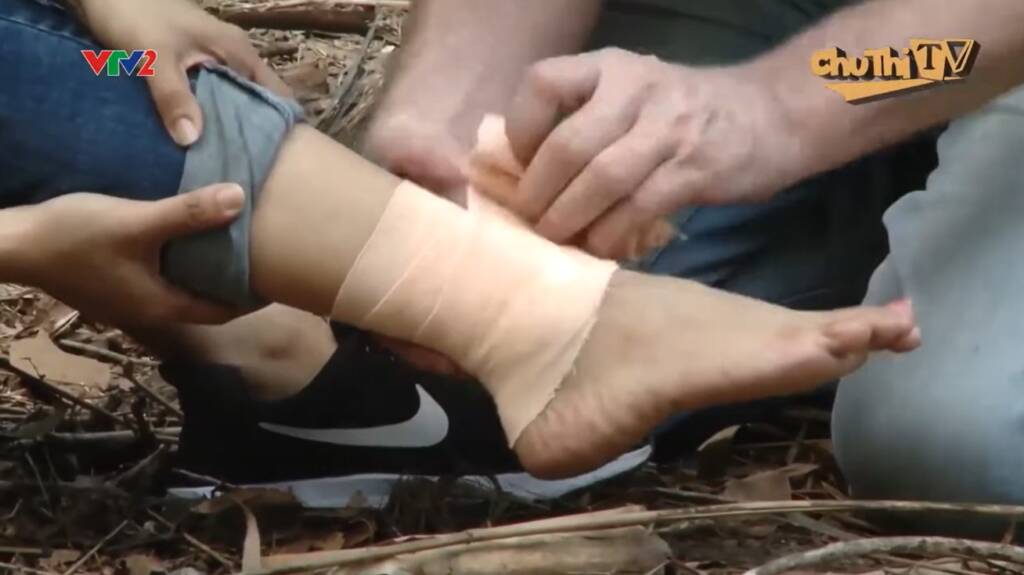
It is vital to keep the victim from moving the bitten area and the whole body to limit the movement of venom. Use an elastic bandage to apply a little pressure right at the bite site to keep the venom there. The first elastic bandage needs to be wrapped around the bite site where the venom may be to keep it in place. This wrapping does not need to be too tight, because we do not need to cut off the blood supply to this limb.
Immobilize the bitten limb and the whole body
Now we need to find something to help stabilize and straighten this snake-bitten leg. We can find a tree branch or a straight splint to help stabilize the victim’s leg. You can use a splint on the victim’s entire leg. If you wrap this branch directly around the victim’s leg, it will be painful or uncomfortable, so you can use a towel or soft cloth to wrap it around the branch first and then use an elastic bandage to wrap and press the branch along the leg.
Bandage from below, right at the bite site, gradually upward to stabilize and straighten the victim’s legs, preventing them from moving. We can use many elastic bandages to wrap. For children, one elastic bandage may be enough, but for adults, 2 to 3 elastic bandages are usually needed to cover the entire limb. Note that when wrapping the splint, you do not need to wrap it tightly, because the goal is to fix the splint tree branch to the leg, limiting the leg’s movement.
Then carry the victim on a stretcher and take him to the hospital. At the hospital, doctors will analyze the type of snake bite and give the victim antivenom serum.
Some very important notes when handling snake bites
Do not try to catch the snake. If you can take a picture or remember the snake’s appearance, it will help the doctor identify the snake more accurately. But this is not so important. If you try to catch the snake, you risk being bitten by the snake and you cannot help anyone else if you also become a victim.
In most snake bites, not much venom is injected into the victim’s body because in most cases, the snake does not intentionally kill the victim. Snakes just want to escape unless you threaten them or attack their nest. Normally, snakes only bite quickly to escape, without having time to linger to inject venom into the victim. Therefore, most snake bites are not venomous. However, in all cases of snake bites, we do not know whether venom was injected or not, so first aid is needed by immobilizing and immobilizing the entire bitten limb to ensure that if there is venom, it does not move quickly. .
Every year Vietnam has thousands of cases of snake bites. In many cases, the only sign the victim feels is pain at the place where the snake bitten because there are two puncture marks caused by the snake’s teeth. This area also poses a risk of subsequent infection if first aid and proper treatment are not provided.
The venom may not produce any reaction in the victim’s body until 1-2 hours after the snake bite. Or it can also cause an immediate reaction depending on the type of snake and the amount of venom injected. Signs may start with nausea and a rapid heartbeat. Whether there are signs or symptoms or not, the most important thing is to give first aid, not let the victim and the venom move, immobilize the bitten part and this slows down the movement of the venom in the body.
Therefore, the most important first aid for a snakebite victim is to wrap an elastic bandage around the bite site to keep the venom in place, and the victim must absolutely not move or move. Hold the venom in place with an elastic bandage, applying pressure and immobilization to the entire limb.
You can participate in online learning or practice first aid operations for people bitten by snakes at SSVN Survival Skills, detailed information and registration at: elearning.new.survivalskills.vn
Burns can lead to serious consequences. Temperatures that are too hot or too cold damage and kill skin cells, fat, muscles, etc. However, first aid treatment is quite simple.
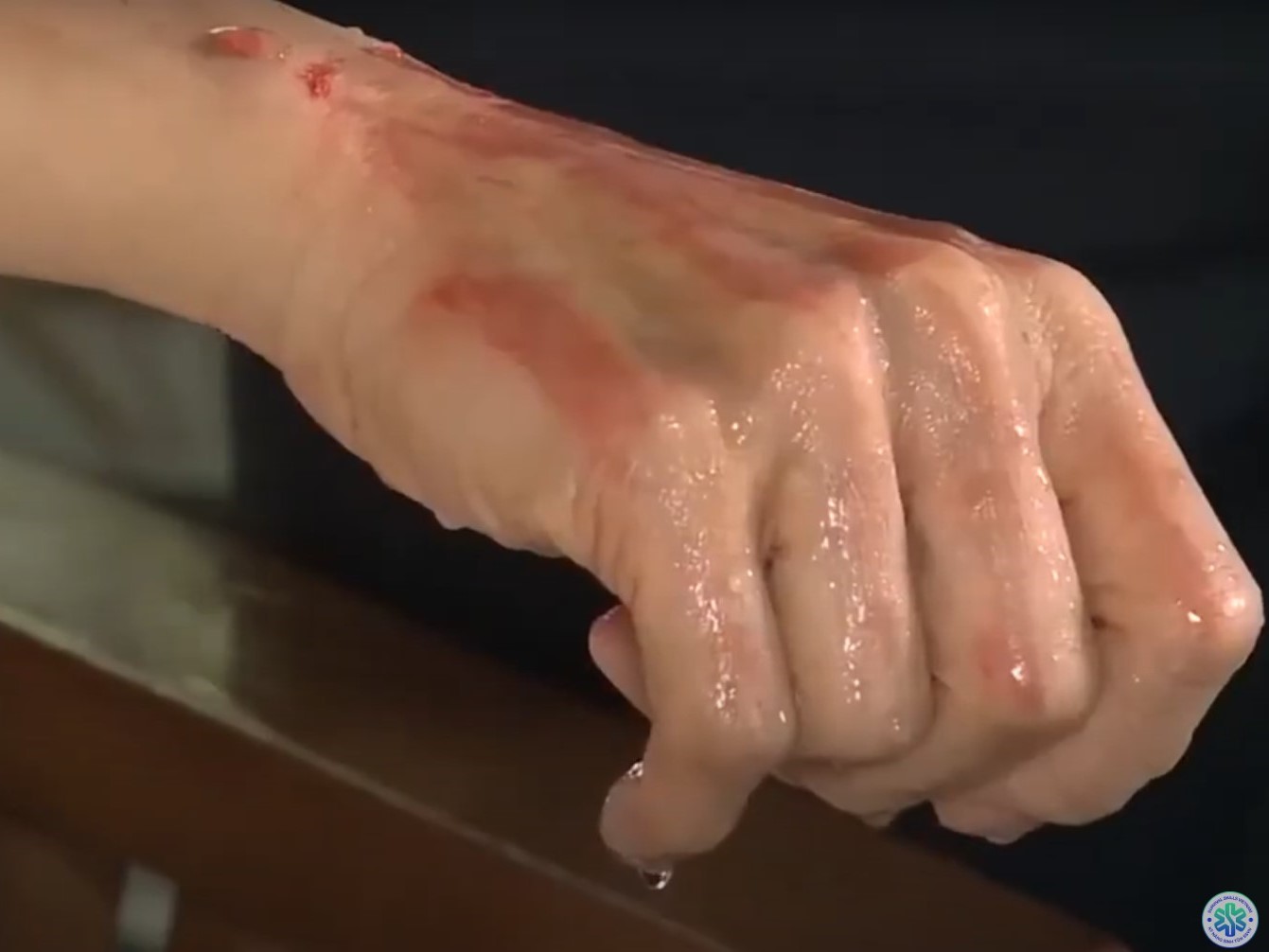
Note that when burned, the victim is in pain and there will be swelling afterward. Specifically, this victim’s hand was damaged and his hand blistered afterward. So if possible, remove jewelry such as necklaces, watches, etc.
Even if we have removed the object that caused the skin burn from the victim, the hot temperature that has penetrated under the skin will continue to burn the tissue layers below. Therefore, the first first aid for burns is to gradually remove the heat from the skin and return it to its normal temperature.
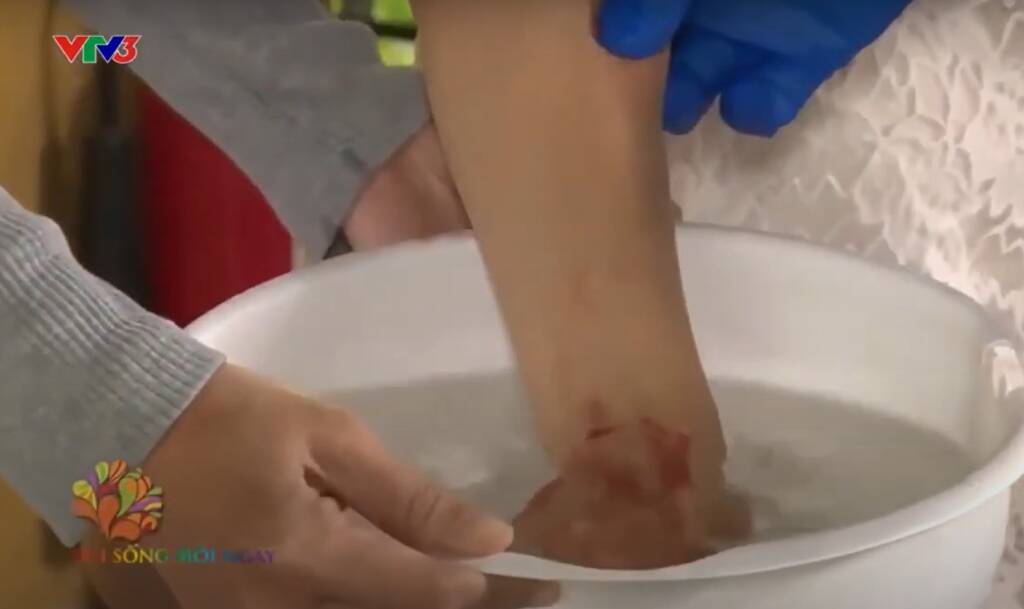
The most effective thing to do this is to use water. We need some water, tap water is best. However, if we don’t have tap water, we can use a bowl of water and dip the burned hands in it. While the victim’s hands are soaking in the water, they can use their hands to stir the water to make it less hot and change the water if possible.
It is necessary to soak the burned hand in water for about 20 minutes. When you pull your hand out, if your hand is still hot and painful, you must continue to soak your hand in water. After 20 minutes of soaking in water, the skin returns to normal temperature when the pain can no longer be reduced.
Cover the burn
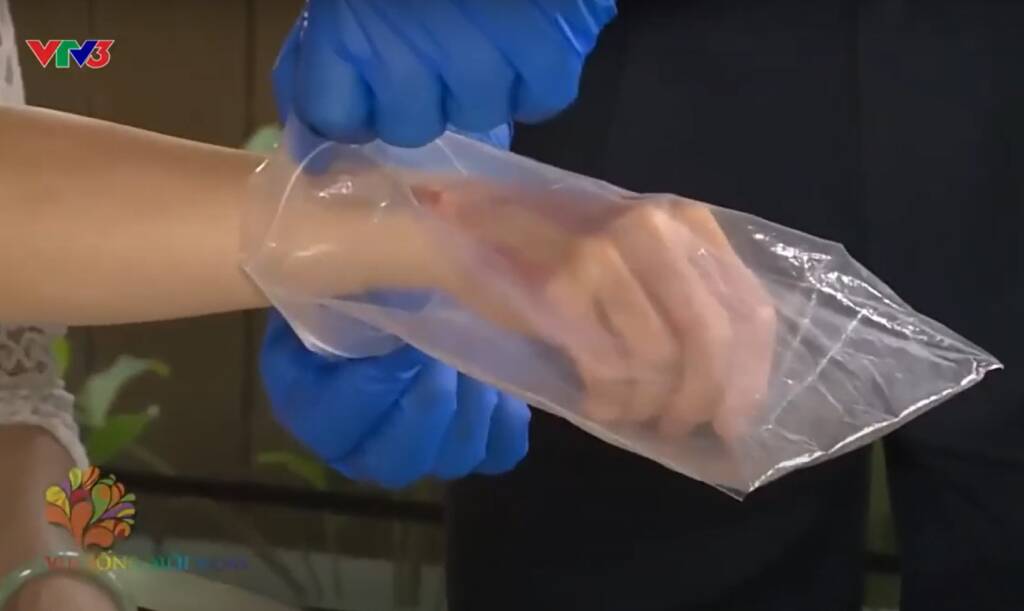
For a serious burn injury like this, after first aid with water, we should take the victim to the hospital. We need to cover the victim’s burn wound to prevent infection with materials that do not stick to the skin. For example, food wrap, clean plastic bags, etc. Remember to cover lightly, not wrap tightly as in the case of stopping bleeding. In case of a hand burn like this, after first aid and cooling with water, we can easily put the hand in a plastic bag and take it to the hospital immediately afterward.
We can use a bandage to lightly wrap a loose loop around the plastic bag to keep the protective layer from falling off the burned area. If you have a bandage available, be sure to wrap it very loosely. Now the victim may feel a lot of pain in the burned area. The third step is to use ice on top of the plastic bag to relieve the patient’s pain and then take them to the hospital. Note that we only use ice in the third step, we do not use it in the first step.
Common WRONG first aid methods
Absolutely DO NOT perform the following methods:
Use ice to cool burns: Applying ice directly to a burn can cause more serious skin damage.
Apply cream or any type of oil or lotion: applying these substances to the burn as soon as the burn has not returned to normal temperature will prevent heat from escaping the skin, causing the skin to become more damaged and increasing the risk of infection.
Use cloth, cotton, gauze, etc. cover the burn: these materials will stick tightly to the burned skin. When entering the hospital, doctors must remove these substances. Removing them can damage the entire burned skin area, causing pain to the victim and causing infection.
Do not poke, prick, or peel off the burn: it will make the injury worse and worsen the recovery process.
Do not treat or delay getting the victim to the hospital.
You can participate in online learning or learn to practice first aid for burns at SSVN Survival Skills. Detailed information and registration at: elearning.new.survivalskills.vn
Learning first aid is very important for yourself, your family and the community. However, it does not substitute for practice training under guidance of experts to make sure you handle real emergency with confidence and correct practices.