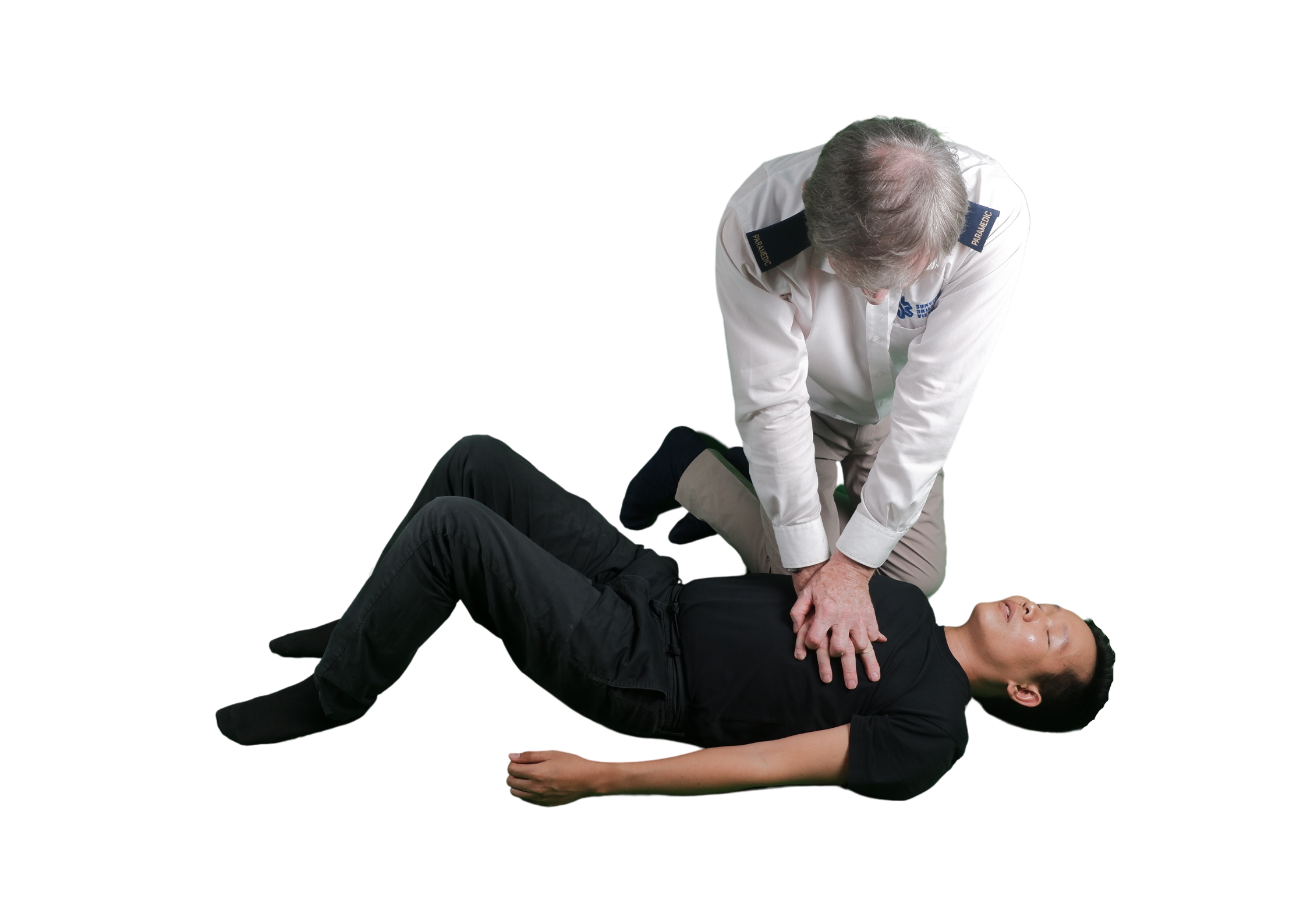
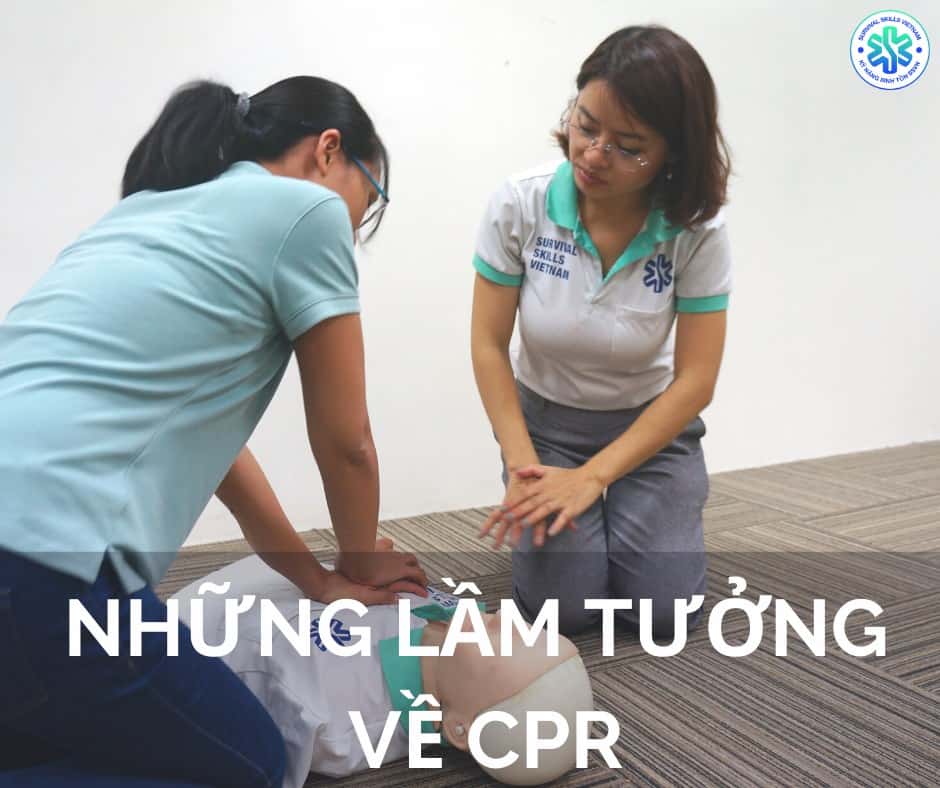
When a person's heart has stopped beating, everything seems to be too late to do anything. However, there is still "a magic''- elastic time before death" while waiting for taking to hospital to find a better treatment. That is CPR.
However, a lot of people stills do not know CRP because some reasons listed following :
They fear that they will make the victim worse... In addition to they do not know cardiopulmonary resuscitation - CPR, many people do not have access to CPR and practice properly, so there are often misconceptions about CPR.
Misconception 1: CPR is very complicated. In fact, CPR is like any other physical skills that can be easily mastered with adequate instruction. 86% children at the aged of 9-18 were able to perform CPR correctly after training. The steps to perform CPR are quite simple. In the hands-on class, you'll be using a CPR training dummy to pinpoint the exact position, force, and compression rate to do it effectively.
Misconception : Performing CPR does not necessarily save the life of the victim. Many people do not realize the importance of CPR when seeing a person stop breathing. They think that performing CPR will not be sure for saving the victim's life. CPR involves two effects of cardiac compression and oxygen to help the heart push blood to the brain of a not breathing, unresponsive victim. When the heart stops beating, brain begins to die after 3-4 minutes. Emergency services can not be on the scene in 3-4 minutes, so you need to do CPR quickly to save the victim's life. Every minute of performing CPR is valuable, it can create a good sign, increase the chance of survival for the victim.
Misconception :Your friends and family are healthy, you don't need to know CPR. Accidents are unpredictable. Even if you and your friends, family are in good health, accidents can happen from time to time. Knowing CPR will increase your chances of saving one's life in case that they stop breathing, no longer have a heartbeat, have a stroke, have a heart attack, or drown.
Misconception 4: Just learn CPR through video. In fact. you can not learn how to do CPR effectively by watching videos. Unfortunately, you see someone in distress and need CPR,if you just apply the knowledge you have learned on the video, it may not be enough and in the right way. If you really want to learn first aid to protect yourself and other people, please find an international standardized CPR course .
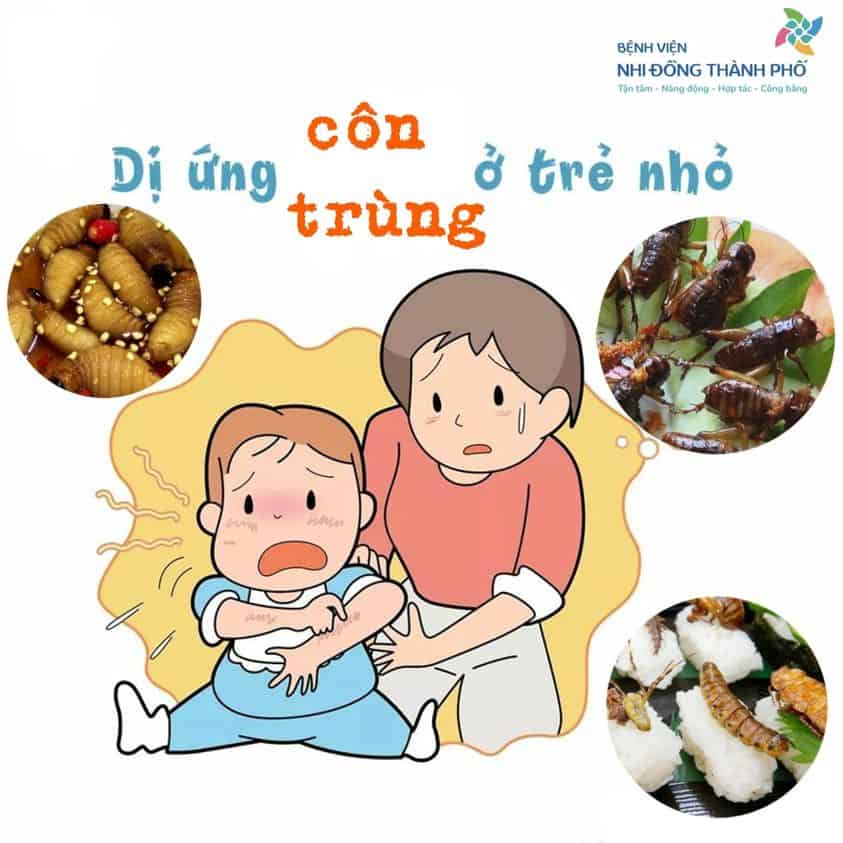
A 3-year-old child was in anaphylactic shock after being fed " FRIED CRICKET " by his father: hives, whole body edema, low blood pressure, breath unsually , danger
In the afternoon of August 2, a child named N.H.G.B, 3 years old, living in Ben Luc, Long An suffered level 3 anaphylaxis after his father fed him "fried cricket".
According to the patient's family, about 4 hours before being taken to the hospital, after eating 7-8 fried crickets, the child had a whole body urticaria, severe abdominal pain and continuous vomiting, the child had difficulty breathing. His parent immediately took him to the Children Hospital.
After the doctors assessed the rapid pulse, low blood pressure, lethargy, difficulty breathing, it was determined that he had level III anaphylaxis. Recognizing that this is a very serious patient, doctor immediately performed anaphylaxis emergency according to the protocol: he was immediately given oxygen, injected and infused with adrenaline, strong anti-inflammatory, and used anti-inflammatory drugs. pulse, intravenous fluids… Up to then, after 3 days of intensive resuscitation, he was out of danger.
Dr. Truong Phuoc Huu, Emergency Department, who directly dealt with his case, shared that if the patient is not treated promptly, the patient will be at risk of laryngeal edema, respiratory failure and the risk of death at high level.
In the case that after eating, there are unusual manifestations and symptoms such as dizziness, fatigue, nausea, itching, abdominal pain, digestive disorders ... or some signs of anaphylaxis or anaphylaxis such as shortness of breath, cold hands and feet, convulsions, progressive itchy papules, ... more severe can quickly lead to coma, convulsions.. need to immediately go to medical facilities for timely examination and treatment.
Knowledges of dealing with food poisoning and anaphylaxis are included in SSVN's First Aid curriculum. Hopefully, everyone will speand time learning to be less confused when encountering a similar situation.
Febrile convulsion usually occurs in children from 3 months to 6 years old when the fever is over 38 degrees, especially children 12-18 months old (According to statistics of the Journal of Pediatrics).
Parents often feel panicked, extremely worried when their child has a febrile convulsion because they fear that bad things will happen to their child... The loss of temper will lead to deal with a child having a convulsion at home in a wrong way. It can cause danger to the child such as: Gathering around the child will cause to be deprived of oxygen; putting your hand in the child's mouth for fear that the child will bite the tongue ...
A convulsion is an "electrical storm" in the brain. The brain controls body actions as well as emotions by transmitting electrical signals throughout the body. If the signal transmission is interrupted by some reason, a convulsion will occur.
When a child is infected with a virus or bacteria, these germs usually multiply comfortably at an average body temperature of 37.5 degrees. When the body detects foreign germs, the body will increase its body temperature to eliminate them, cause a fever. However, for children, their body can't handle germs properly, because they have not fully developed like adults, so if their temperature rises too suddenly, it will cause a febrile convulsion.
Febrile convulsion does not cause damge to brain and nerve system, paralysis, disability, mental retardation, or death. So parents shoud keep calm and the way to deal with febrile convulsion is as simple as normal fevers.
What shoud you do when your child has a febrile convulsion ?
Protect the child's head, take off some clothes on child.
Wait for the convulsion to subside, counting the number of minutes of the convulsion.
When the child stops convulsing, put the child on his or her side.
The child need rest to gradually wake up.
If convulsion lasts longer than 5 minutes, take the child to the hospital.
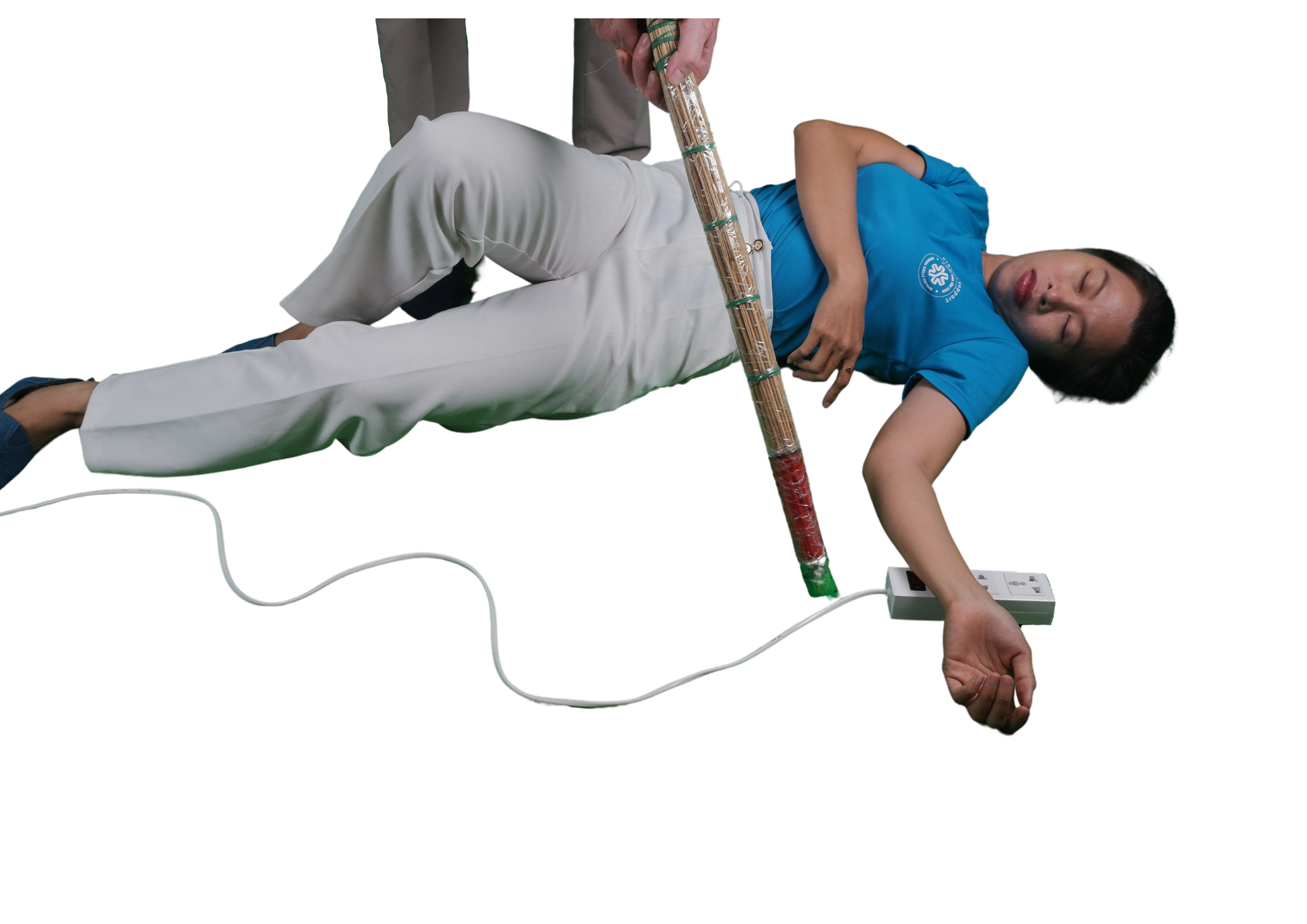
In Thu Duc District, Ho Chi Minh City there was a case that 5 children were playing on a construction site when one of them was electrocuted and died. Le Minh Chau (10 years old) playing on the ground was suddenly electrocuted and called for help, 2 children in the same group heard the cry and ran to save him, then they were electrocuted. After witnessing three friends being electrocuted, another boy in the group ran to tell his relatives.
When people arrived at the scene, Chau was dead. Two children who had run to save Chau were in an unconscious state and were taken to the emergency. However. one of 2 children died in hospital.
SSVN feel very sorry for this case. Dear Mr/ Mrs, even if our child wants to help save others, we must teach him/ her how to react when seeing someone being electrocuted to keep safe for his/her own life firstly.
Teach the child to KEEP CALM, DO NOT PASS IN and HUG the victim out when seeing someone being electrocuted. That will lead to be electrocuted and more dangerous for child.
So, what should a child do when seeing someone being electrocuted ?
Absolutely do not touch them, shout out to interrupt the electricity.
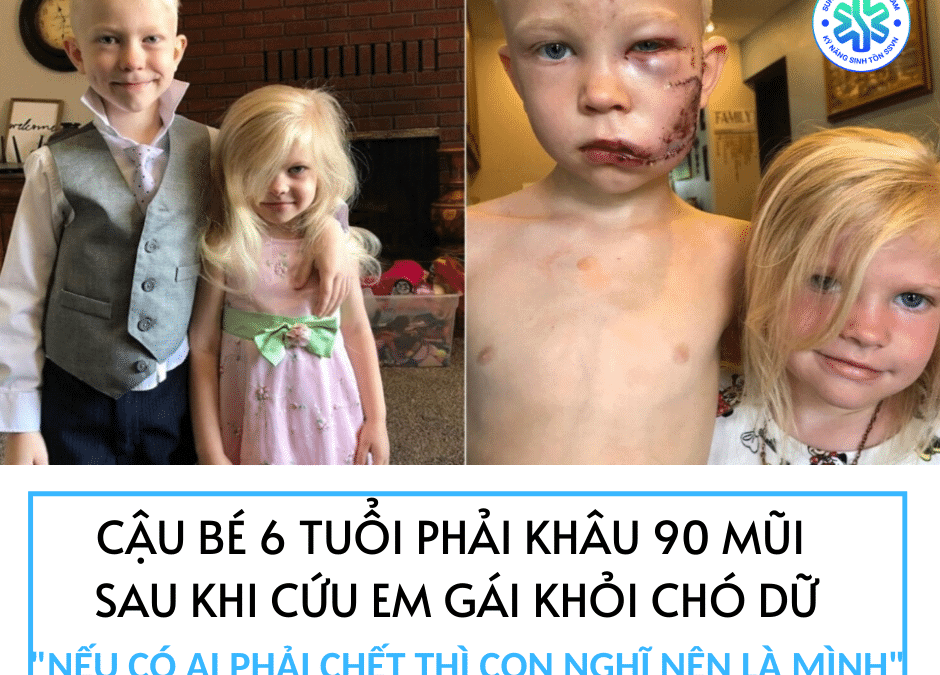
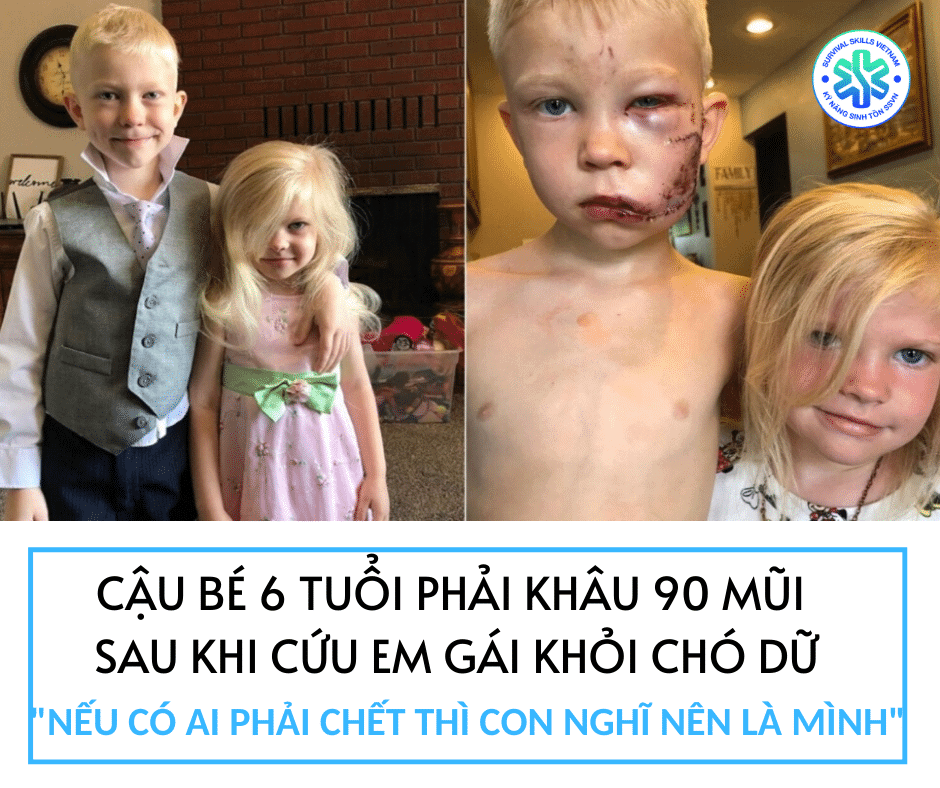
This is a photo of Bridger Walker, 6 years old, from Wyoming, is going viral on social media after she stood in front of her younger sister to protect her from an aggressive dog attack.
Despite having to sew up to 90 stitches, she bravely replied, "If anyone has to die, I think it should be me." SSVN was not only impressed by her brave action, but also very sorry for the injury she suffered.
Even though her actions are completely right at that time, parents please show your children how to deal with aggressive dogs by following:
Dogs may bite people when they feel stressed or threatened (like someone is trying to intrude into its territory).
Dogs tend to attack on our face or neck. Therefore, children are often bitten by dogs on their face and adults is on their arms and legs.
When you detect the signs that a dog is about to attack, you need to calm down and should not run away ? Running away and shouting makes the dog more agressive .
What should we do when a dog is about to attack us?
Avoid looking dog's eyes directly (in dog language, looking straight is a sign of defiance), maintain peripheral vision for observation.
Raise both arms to protect face, neck and chest ; clench fingers into fists.
Learning first aid is very important for yourself, your family and the community. However, it does not substitute for practice training under guidance of experts to make sure you handle real emergency with confidence and correct practices.